10 Small Touches That Make a Living Room Feel Dark Academia
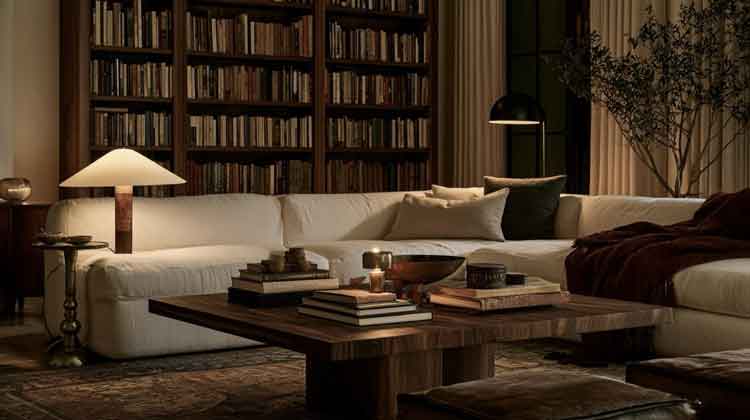
Dark academia does not require walnut paneling, towering bookcases, or a living room that looks untouched since 1890. The mood usually comes from smaller decisions. Candlelight reflected in an old mirror. Books that look read instead of arranged. Warm wood, worn metal, and fabrics with some weight to them.
You can keep the pale walls. The modern sofa can stay, too. Change the visual temperature of the room first, then layer in a few details that suggest an old library after sunset.
1. Choose a Mirror That Makes the Light Feel Older
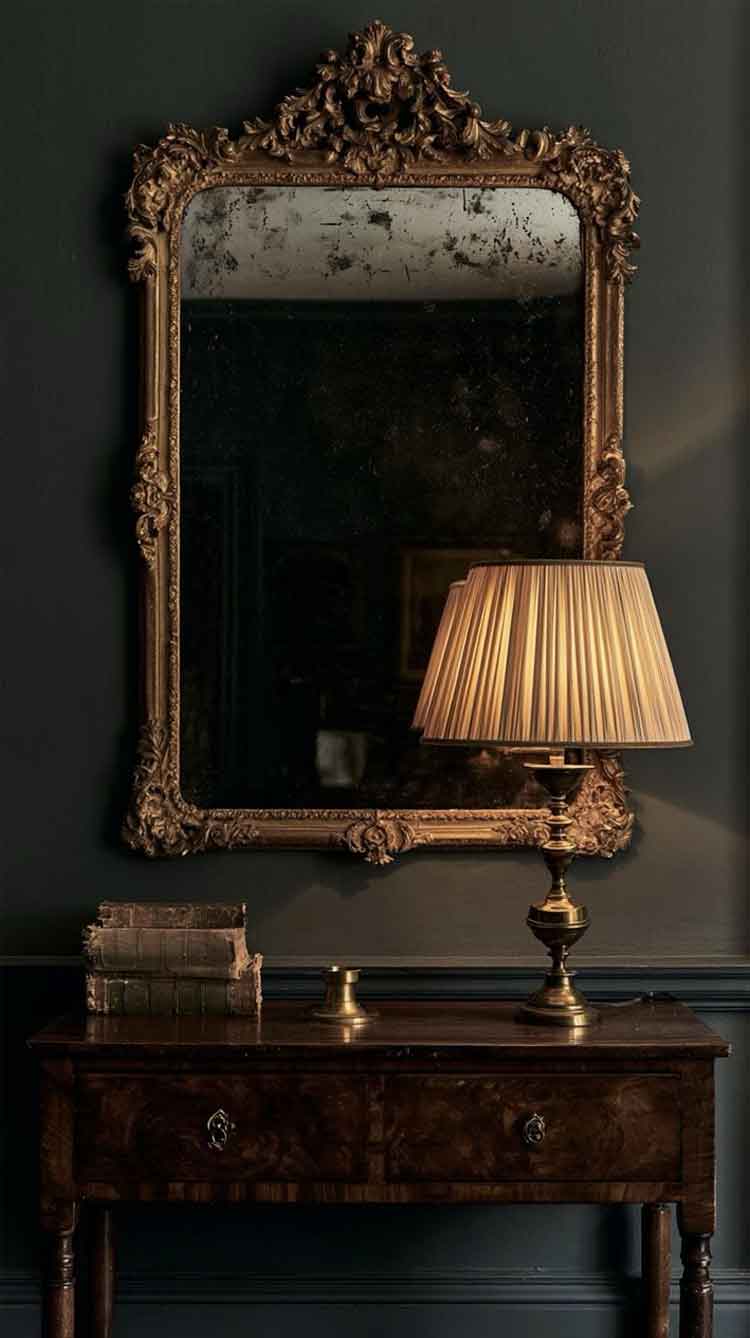
A mirror can change the room most after dark.
Look for aged brass, distressed gilt, antiqued gold, or a frame with a little irregularity. Once warm lamplight catches the surface, the reflection feels softer than it would against something sleek and highly polished.
Resist going enormous just because the frame is ornate. One oversized statement mirror can pull the room toward theatrical. A smaller piece with a slightly worn finish often feels more believable, as if it has simply been there for years.
2. Let the Bookshelves Look Slightly Unfinished
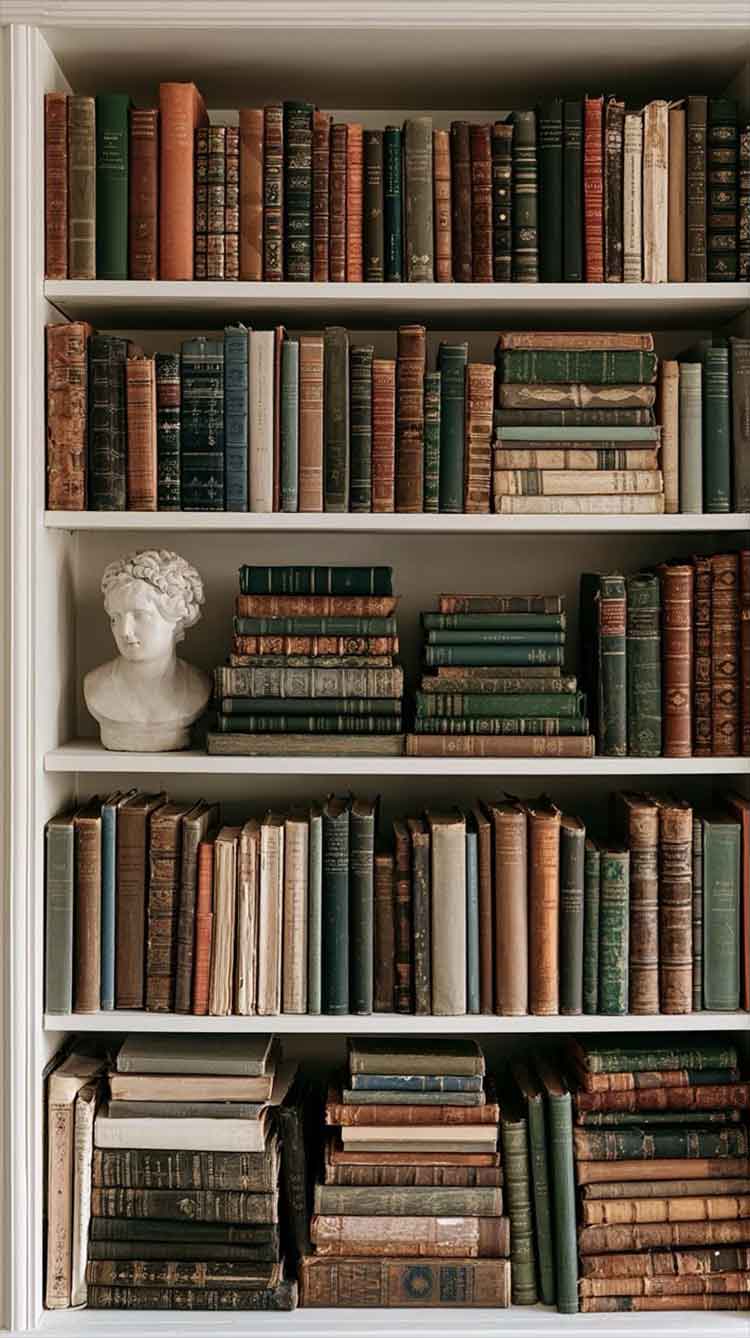
Dark academia shelves should not look measured.
Mix upright hardcovers with a few horizontal stacks. Leave an empty patch here and there. One small bust, old-style bookend, or framed sketch can add another layer without turning the shelf into a display case.
Your books do not need matching jackets or coordinated colors. In fact, they are usually more convincing when they do not.
The goal is a lived-in scholar mood. Someone should look at the shelf and imagine that a book gets pulled down, left open for an evening, and returned to a different spot later.
3. Give the Seating Area One Darker Anchor
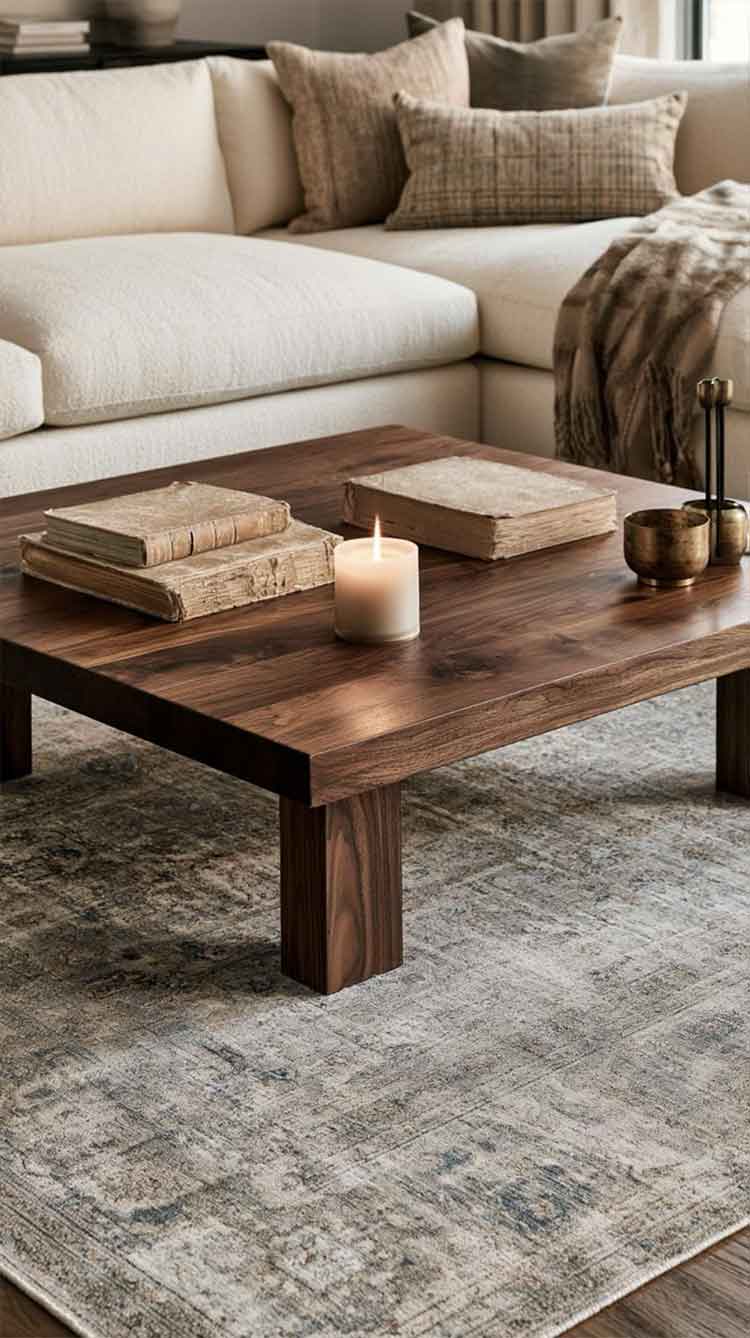
Not every piece of furniture needs to become dark.
Sometimes a single heavier surface is enough to settle the room. Deep wood, muted metal, or an aged brass finish can give a seating area more visual gravity without fighting a contemporary sofa or pale rug.
modern coffee tables by AURA modern home can fit into that mix when the styling around the table stays restrained. Try two or three books, a candle, and perhaps one smaller brass object.
The contrast is what makes it work. Let one piece carry some weight instead of asking the entire room to dress for the theme.
4. Use Brass Objects Like Punctuation
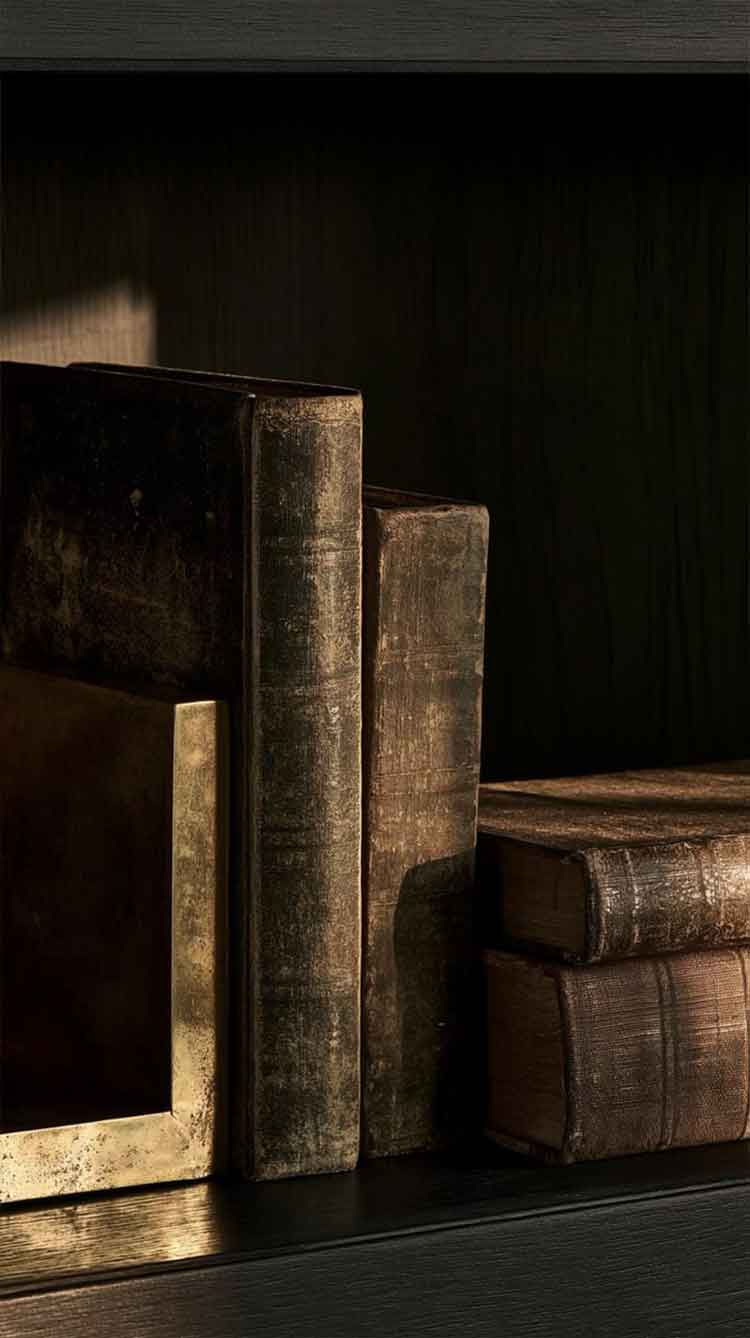
You do not need curiosities covering every flat surface.
A pair of brass bookends might be enough. A small compass, globe, or classical-style bust can work just as well.
In my experience, this aesthetic gets less convincing when every accessory is trying to announce itself. Repeating a material is subtler. If the mirror already has an aged brass frame, one smaller brass object elsewhere creates a visual echo without making the room look staged.
5. Turn Down the Ceiling Light
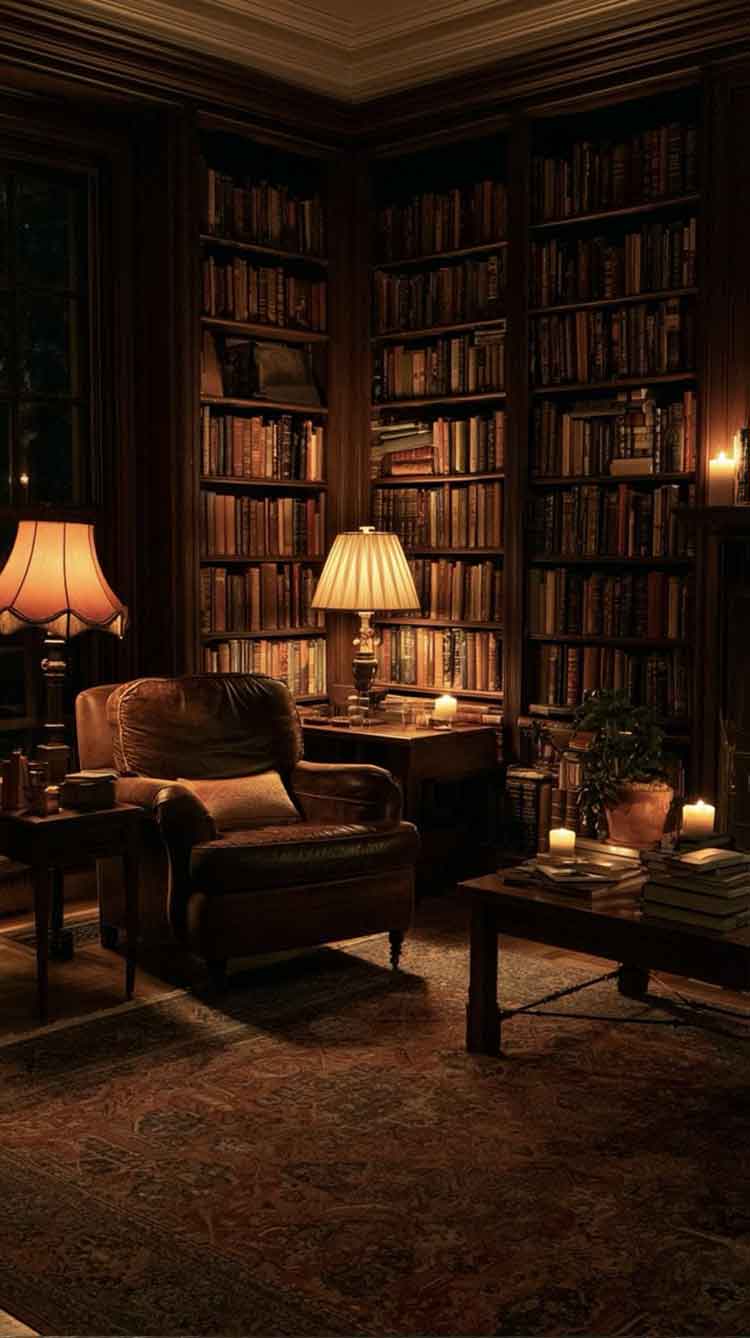
Most people start with furniture. Lighting can change the mood faster.
Instead of flooding the entire living room from above, build smaller pools of light. A shaded table lamp beside an armchair or a low floor lamp near the bookshelves instantly creates more depth.
A bulb around 2700K to 3000K gives you a warmer appearance than cooler white lighting, which suits the amber-toned atmosphere here.
Darker is not automatically moodier, though. You should still be able to read comfortably. Keep enough useful light around chairs and tables, then allow the less active parts of the room to fall into softer shadow.
6. Make a Credenza Feel More Like a Library Cabinet
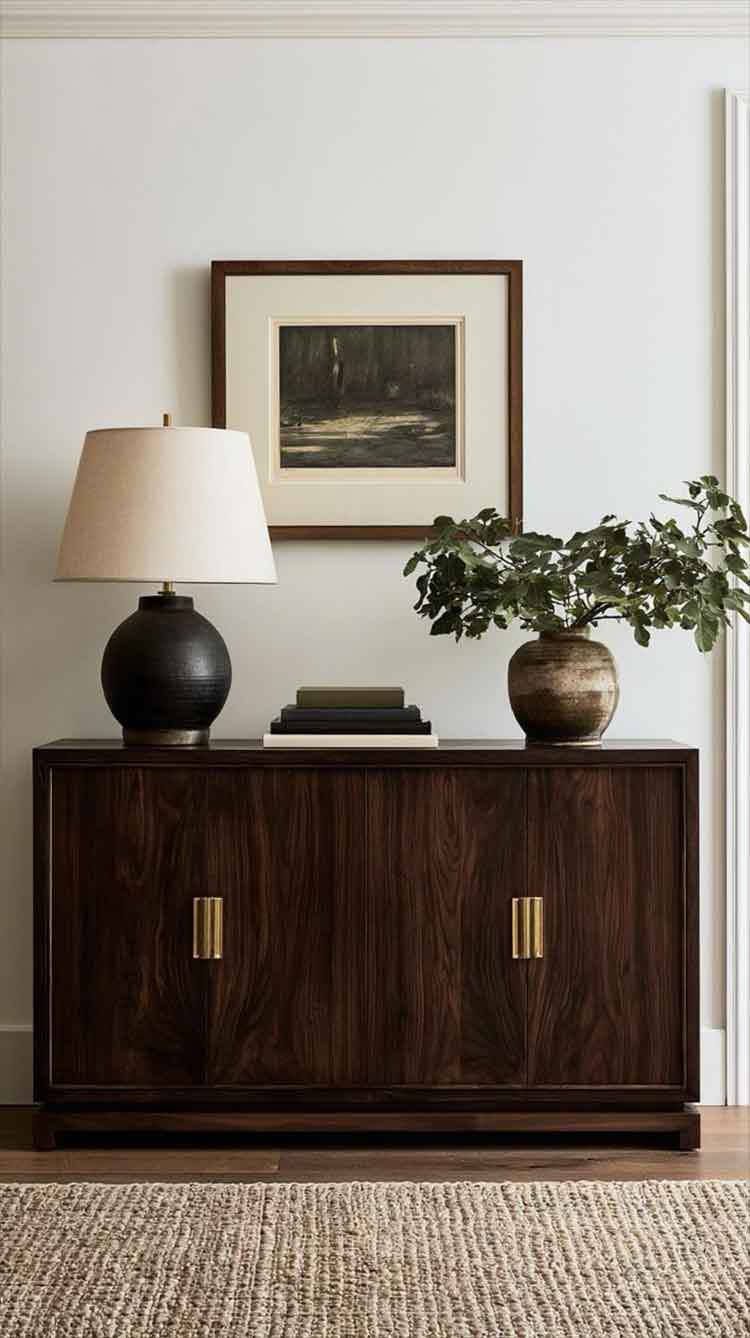
A dark credenza can bring some of the weight of an old study into the room without requiring built-in cabinetry.
Keep the top simple. A lamp, a few books, and one framed piece may be plenty.
Its real advantage is behind the doors.
Remotes, chargers, cables, game controllers, and all the other very modern things that accumulate in a living room suddenly have somewhere to disappear. That hidden storage helps the room feel calmer without pretending people no longer own electronics.
7. Give One Surface an Evening Ritual
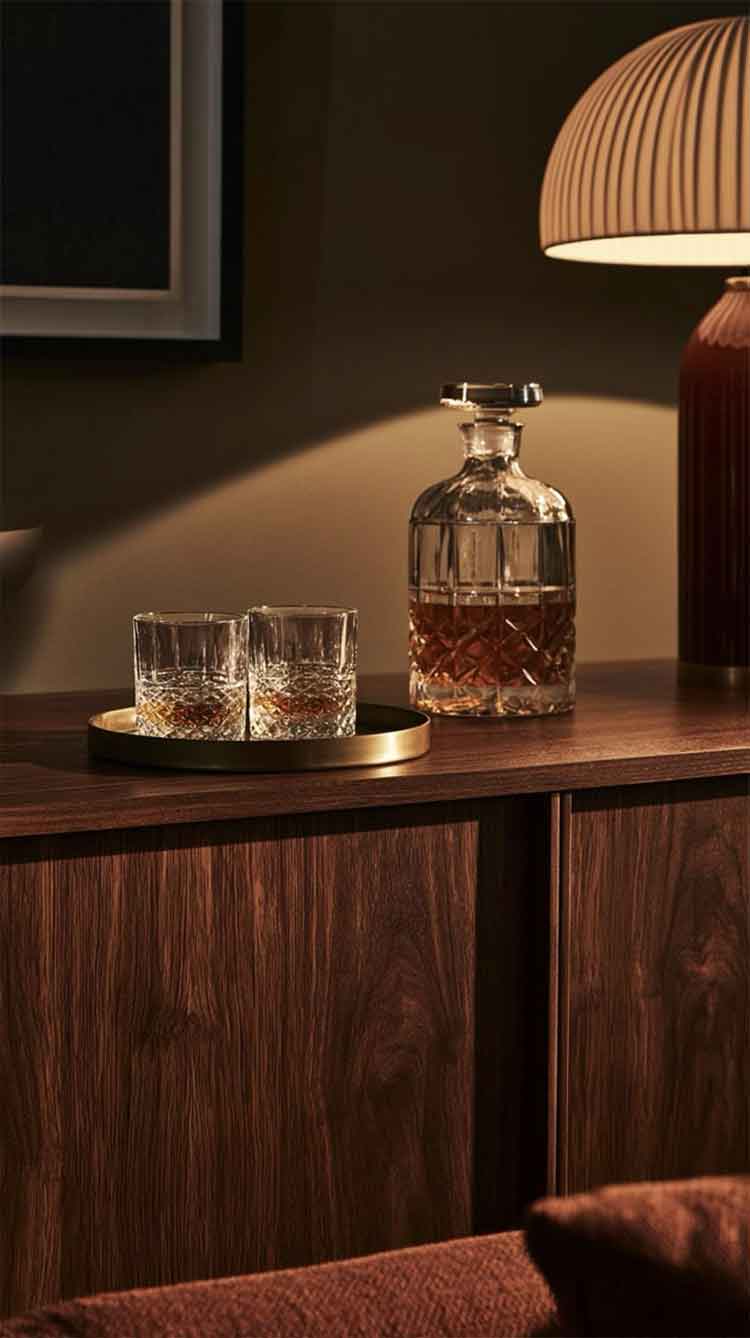
An underused sideboard can feel completely different after dark.
Try a small tray with two interesting glasses and a decanter. Keep the arrangement loose and compact rather than turning the entire surface into a bar.
The appeal is not the objects themselves. It is the suggestion of a slower evening, lamplight, conversation, and a room that changes character when the sun goes down.
8. Let One Wall Carry More of the Mood
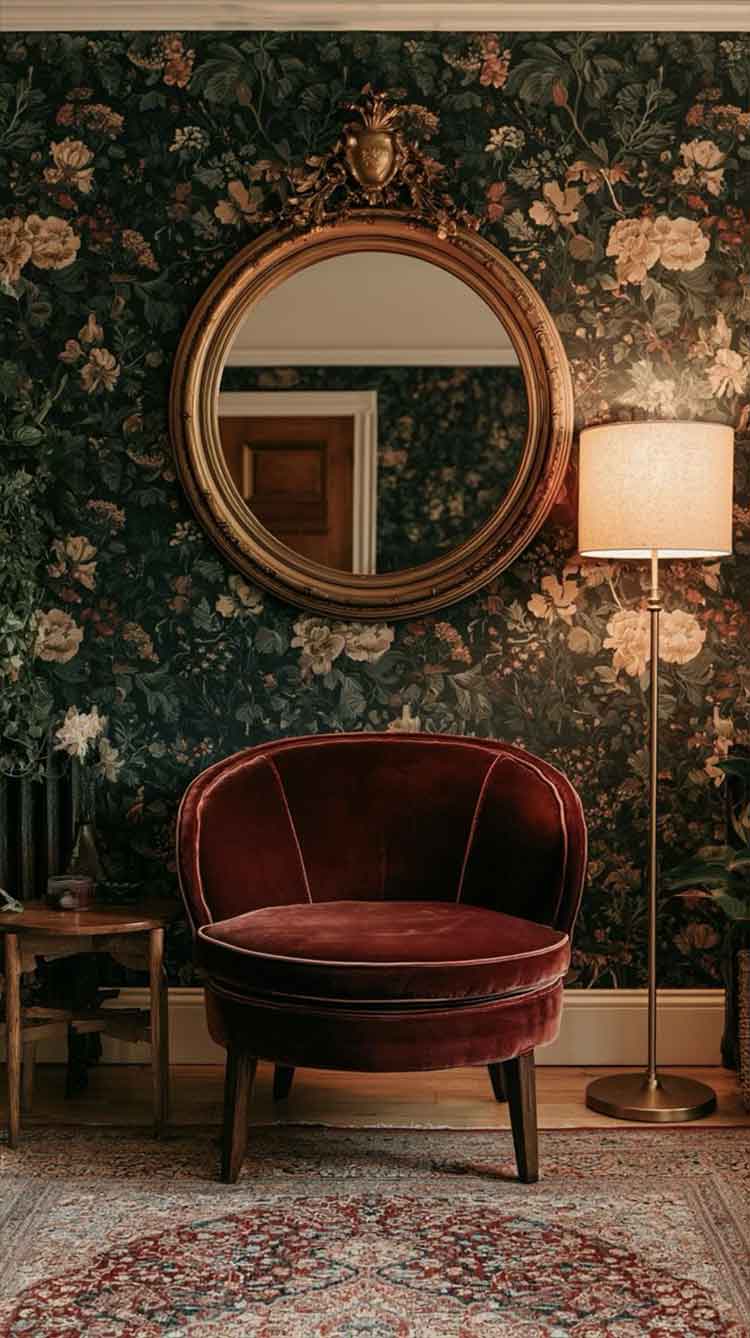
You do not need to paint every wall oxblood or forest green.
One wall can do plenty.
A removable dark floral, faded botanical, or library-inspired wallpaper gives the room depth while the other walls stay quiet. That makes it especially useful for renters or anyone who likes the aesthetic but does not want to commit the whole room to it.
Give a dramatic wall some breathing room. If the wallpaper is already doing a lot visually, the furniture in front of it does not need to compete.
Dark academia is not a contest to see how many dark things fit in one room.
9. Let One Chair Break the Matching Set
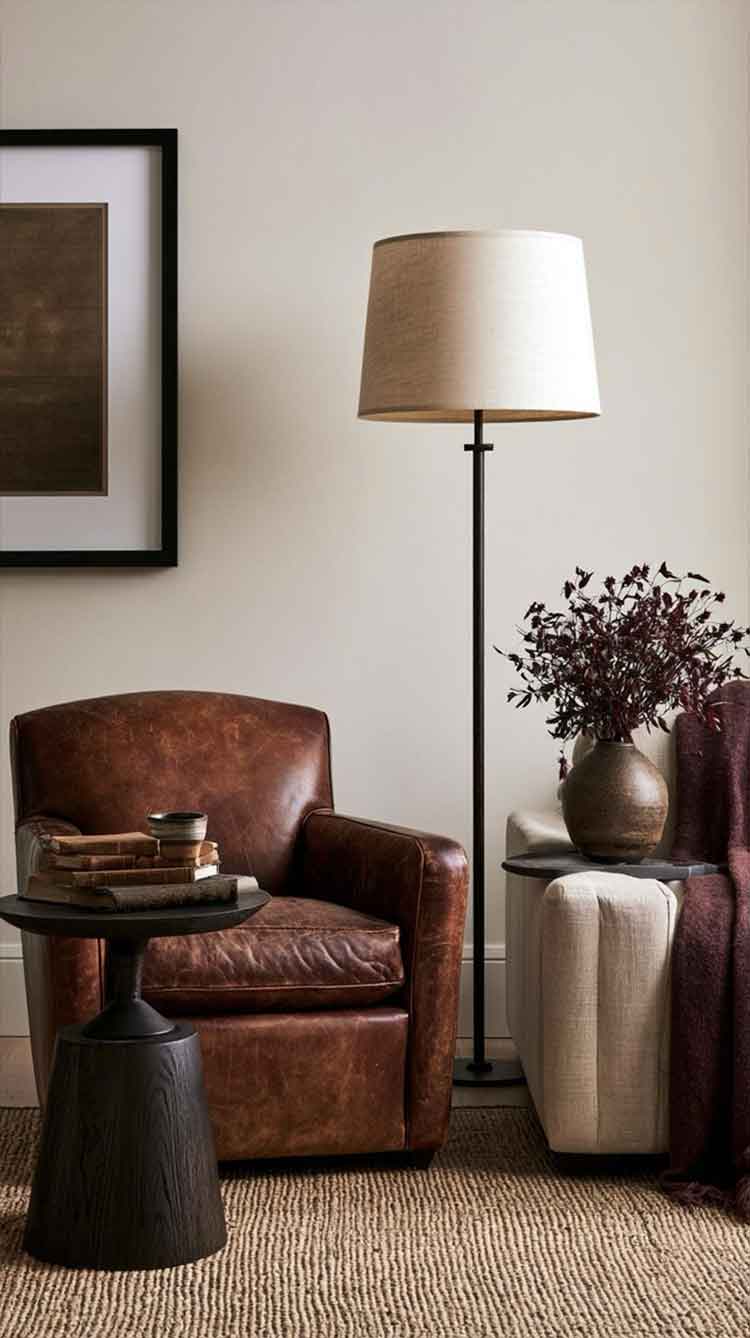
Rooms collected slowly rarely match perfectly. That works in your favor here.
One aged-leather chair or a deep velvet seat in forest, burgundy, tobacco, or chocolate can bring texture into a room full of cleaner contemporary pieces.
It does not need to match the sofa.
A modern couch next to a worn-looking armchair often feels more natural than a perfectly coordinated suite. That difference creates the sense that the room developed over time rather than arriving all at once.
10. Finish With Things That Look Better Slightly Messy
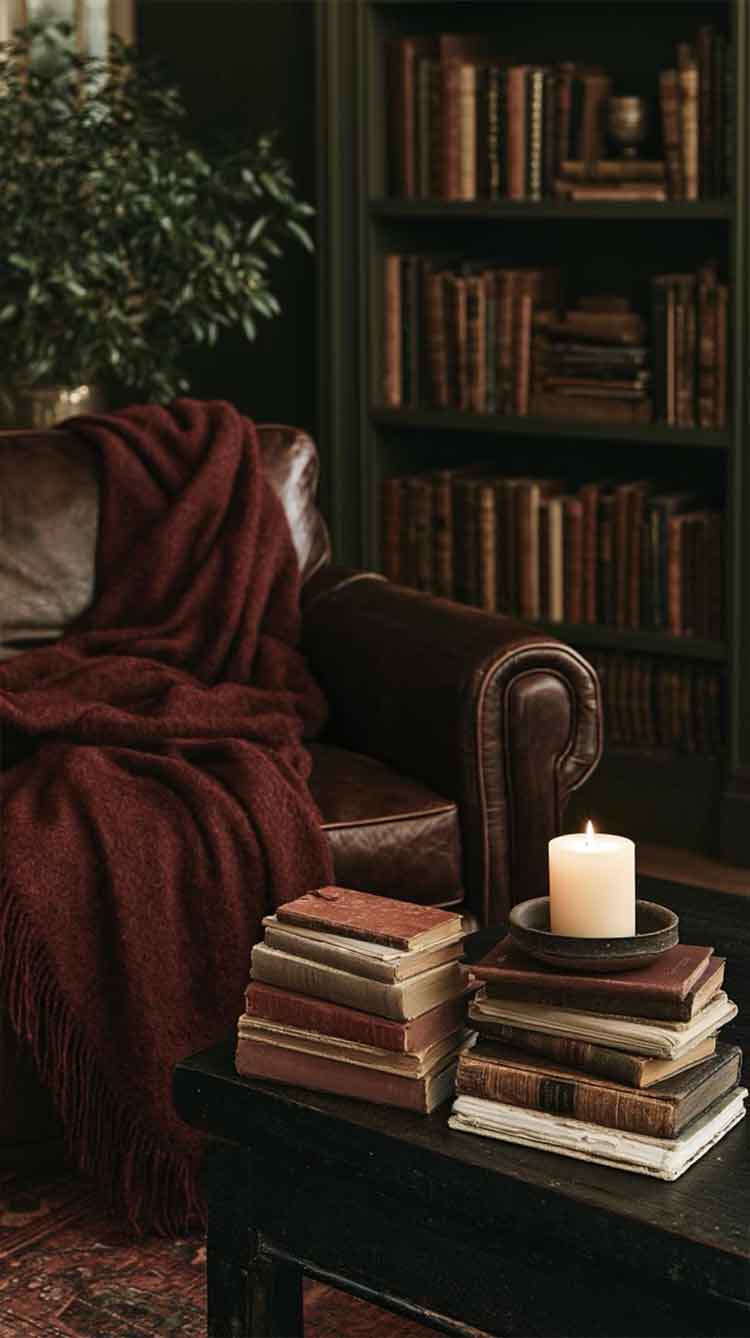
The final layer should make the room feel used.
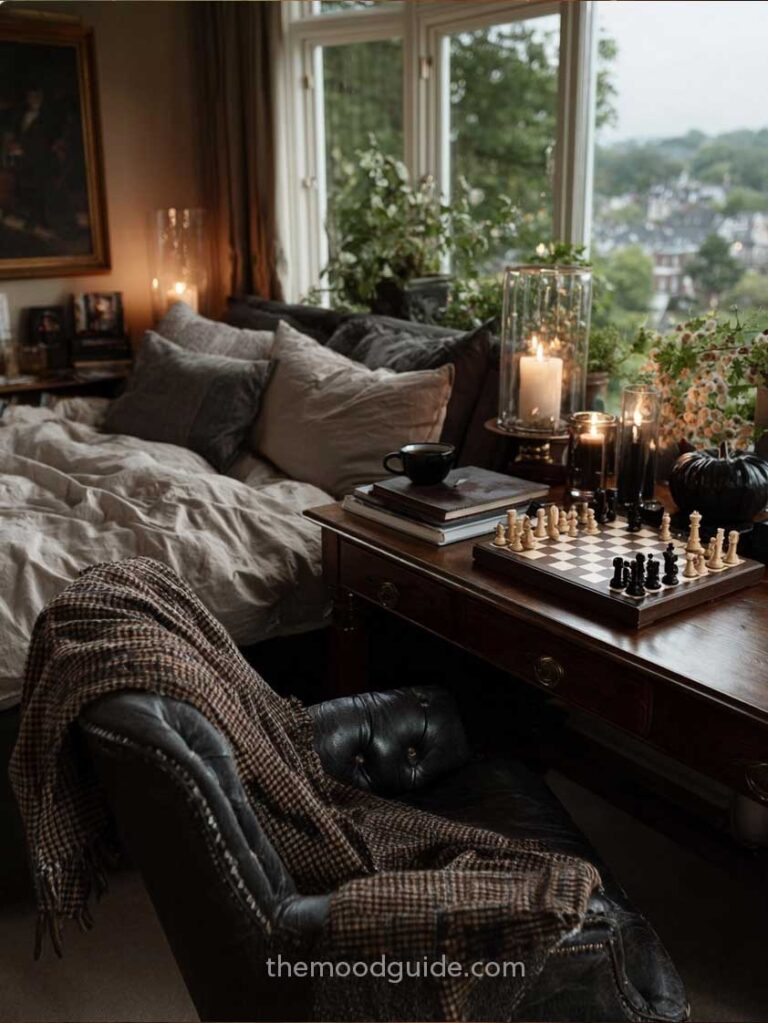
Drape a wool throw over the arm of a chair in burgundy, forest, chocolate, or another warm deep tone. Leave two or three books on the coffee table. Add a candle or one small brass detail.
Then stop arranging.
The blanket does not need to fall into a perfect triangle. The books can sit a little out of line. A living room built around reading, thinking, and lingering should show some evidence that people actually do those things there.
Dark academia often becomes more convincing when it develops slowly anyway. Add the lamp first. Find the strange old hardcover months later. Let the velvet chair arrive when the right one crosses your path. A room that gathers character over time can feel richer than one finished in a single afternoon.