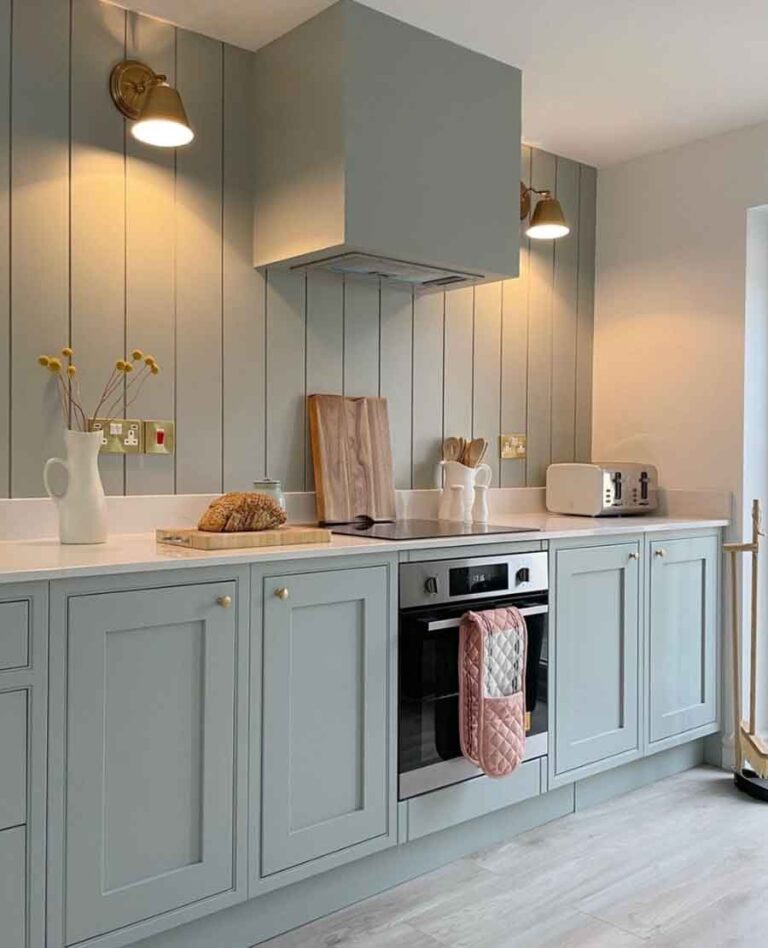
How to Explain Your Personal Aesthetic to an Interior Designer
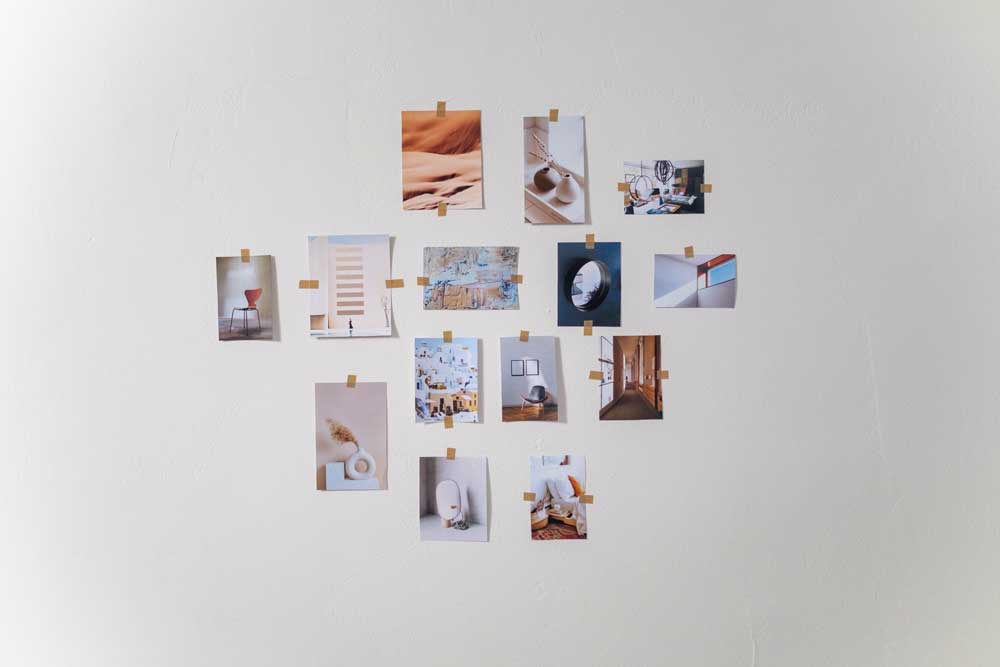
You can save 200 bedroom photos and still get stuck when a designer asks you to describe your style in one sentence. Saying cozy doesn’t solve it either, since a designer might picture dark velvet while you want pale linen and oak.
Luckily, designers can learn a lot from details like the lamp you’d keep or the wall color you’d never pick. All of that fits into a few short notes, which is easier than finding the perfect style name.
1. The Mood and How You Use the Room
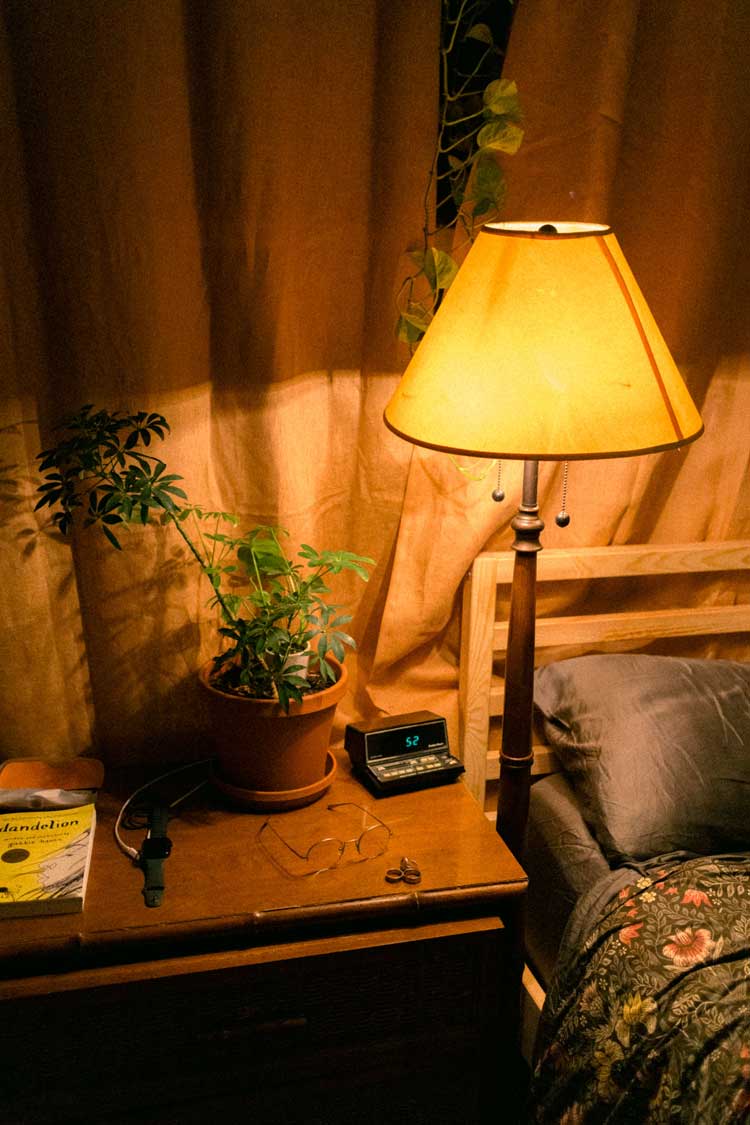
The first note is about the mood, which is easier to explain with details than with one word. Cozy usually means warm light and soft fabrics, while dramatic points to dark walls and strong contrast. Calm and romantic bedrooms often have dim lighting, though someone who reads in bed every night still needs a bedside lamp.
2. What Kind of Help You Need
The second note says what kind of help you need from the designer. With online interior design services, that note matters even more, since the designer never visits the room. The note might say your saved photos don’t match, or that you can’t decide where the sofa goes. It could also mention an old armchair that has to fit in, or ask for a complete concept for an empty room.
3. A Mood Board With Notes
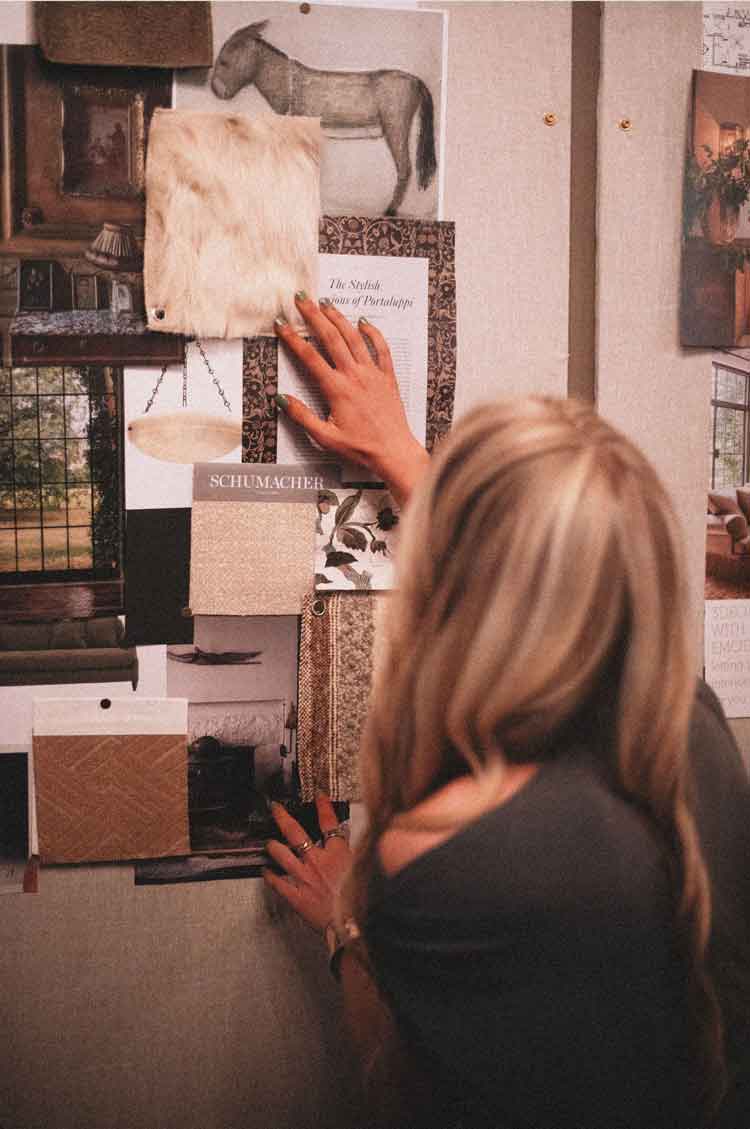
On a mood board, one photo can show green walls, a curved rattan chair, and a brass lamp at the same time. Without a note, the designer can’t know which one made you save it. A line under each photo solves that, even if it only mentions the walls or the overall mood. Dislikes go on the board too, like glossy furniture or harsh white bulbs over the bed.
4. The Room as It Really Is
The room itself comes next, with daylight photos from every corner and sizes for the walls, windows, and doors. Even a rough budget range like $2,000 to $3,000 helps, and so do limits like a rental lease that bans painting. Last year’s sofa and your grandmother’s mirror need photos and sizes too, if they’re staying.
5. Writing a Short Design Brief
All of these notes go into a one-page design brief, which explains what a style like cottagecore means for your room. In case the word is new, cottagecore is the look of a country cottage, with floral prints and vintage furniture.
Here’s how that works for a cottagecore bedroom that is also a home office and has to keep an old pine dresser. Warm white walls work well here, with sage and faded rose in the linen bedding and floral curtains. New wooden pieces match the honey color of the old pine.
The desk sits by the window for the best light, with the bed out of the camera’s view on video calls. After work, the laptop goes into a cabinet and the lighting switches to warm 2700K bulbs by the bed.
6. Feedback on the First Draft
On the first draft, it’s fine to keep the warm white walls but swap the floral curtains for plain linen. A desk that looks too close to the bed is easy to check, since a walkway needs about 30 to 36 inches. Sage might feel strange at first and look better a few days later.
A Checklist for Any Room
Psychologists even have a name for it, the mere-exposure effect, where people tend to like things more after seeing them a few times. Filling in the list below early makes it easy to compare the draft with what you first wanted:
- Your desired mood, plus the daily needs behind it
- Annotated references, with one note per photo
- Room information, including photos, measurements, and limits
- Existing furniture and keepsakes that stay
- Your budget range
- Your top three priorities
- What you don’t like