How to choose the right fire pit for a backyard you’ll actually relax in
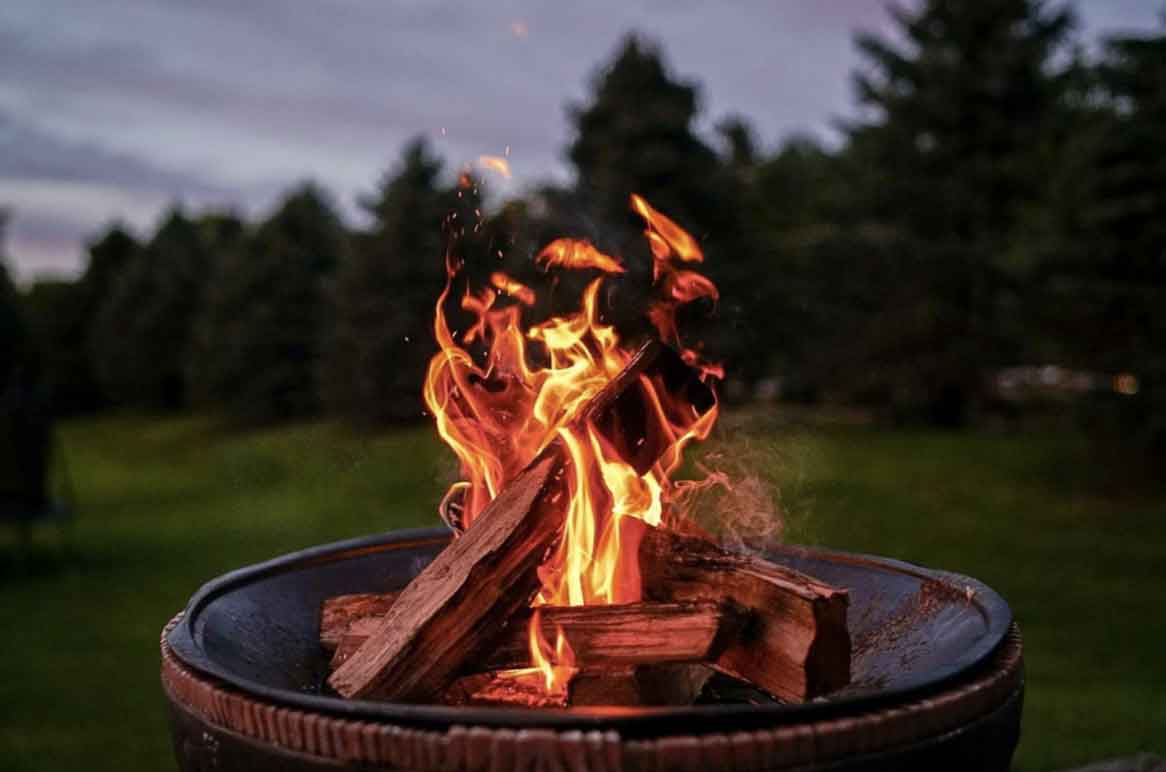
There’s something uniquely comforting about sitting next to a slow-burning fire. It speaks to our most basic instincts: the need for warmth, belonging, safety, and connection. The effect goes beyond that and into our physical well-being, with fire being shown by studies to reduce stress and slow the heart rate, which helps the body enter a calmer, more relaxed state. A fire pit offers a kind of relaxation that few other things can match. And when you bring one into your own yard, along with a few features that make the space comfortable to spend time in, you get a place you’ll never get bored of – whether you’re hosting friends, spending family nights together, or winding down with a good book alone. In the era of social media and smartphones, when our screens follow us morning through night, the act of gathering by the fire is all the more valuable, since there’s something about it that manages to make people put their phones down and connect with each other.
So, how can you create such a space, one that you’ll actually make your way to at the end of the day?
Start with the right spot
The place you choose for your fire pit will pretty much determine how much and how comfortably and safely you’ll use it. A good rule of thumb is to place it far enough from trees, structures and anything flammable – turn to a stone or concrete patio because grass presents a fire threat. Then try not to put it in the middle of the space if that would limit the space available for walking, dining, or carrying out other activities. Some neighborhoods or cities come with restrictions in terms of where you can place a fire pit, so check out if you have complete freedom for yours or if you need to follow specific distance or placement rules. Local companies that build fire pits in residential backyards are familiar with the regulations specific to the areas they serve and can help you find a spot that’s safe and compliant at the same time. For instance, if you’re living in Houston, you can look for a team that designs custom fire pits in Houston and handles the project from the start.
When the location feels right, everything else that you’ll plan around the fire pit becomes easier – like the lighting and seating.
Gas or wood – which one suits your household best?
There are two main options to fuel your fire pit: wood and gas. Here are the pros and cons of wood fire pits:
- They offer the full campfire experience, with that crackling sound, smoky scent, and natural flames that draw many people to fire pits in the first place.
- When it comes to cooking, many people find that food cooked over fire tastes better compared to gas. Chemically speaking, that’s because burning wood releases complex notes and aromatic compounds that gas can’t replicate.
- They can be more affordable to buy and install since they don’t need a gas line or burner.
- Using wood-burning fire pits takes more effort because you’ll need to clean the ash and keep the firewood you store dry.
- Placement options are quite specific – you’ll need to place it a bit further from your house since these create sparks and smoke.
On the other hand, gas fire pits bring the following advantages and disadvantages:
- You can light one up by pushing a button or turning a knob and shut it off just as easily, which makes it faster to get a fire started.
- Gas fire pits generate zero ash and sparks, and virtually less smoke.
- You can adjust the flame’s heat and height with a simple knob, or, on more advanced models, remotely through a smartphone app.
- They generally cost more, especially if you opt for a plumbed gas line, which requires installation.
- They generate less heat and lack that specific sound and scent that come with wood fires.
Choose the fire features that fit your space
A fire can take more shapes than most people think, even if you’d already pictured one before reading this. The round pit is the one everybody knows, but it’s far from being the only option when it comes to outdoor fire features.

A classic fire pit is a great pick if you want people sitting all around it, roasting marshmallows and talking late into the night. But if you’re looking to move the dining outside, then a fire table might make more sense; you get the flames in the middle and enough room on the table for plates, glasses, and often plateaus too.
Outdoor fireplaces are bigger and taller; they work better against walls or in corners and feature a chimney so that the smoke goes up instead of into people’s faces. If your patio is on the small side, you can install a fire bowl because it doesn’t take that much space but still gives you enough light and heat for a cozy evening.
Size matters here too. Put a big stone fireplace in a tiny yard and you’ll barely have space for anything else. You probably don’t want a feature to corner the entire environment. Now, if you install a tiny bowl in a large space, you accept that it might not be the star of the evening.
Lastly, the materials: Brick or stone
There’s one more thing to weigh: the material. Are you more into stone or brick? These are the most common options for fire pits. Design-wise, stone is preferred for that natural and textured look, and practically speaking, options like granite resist harsh weather conditions better than brick. Brick, though, is cheaper and often easier to work with, all the more if you’re the DIY type of homeowner who plans to build it themselves.
Get these few things right and you’ll probably find yourself spending more time outside than indoors, phones left aside. Cooking, dinning, chatting, reading – they all feel a little better by the fire.
This post is part of a paid collaboration