Cozy Corners That Make a Small Bedroom Feel Intentional
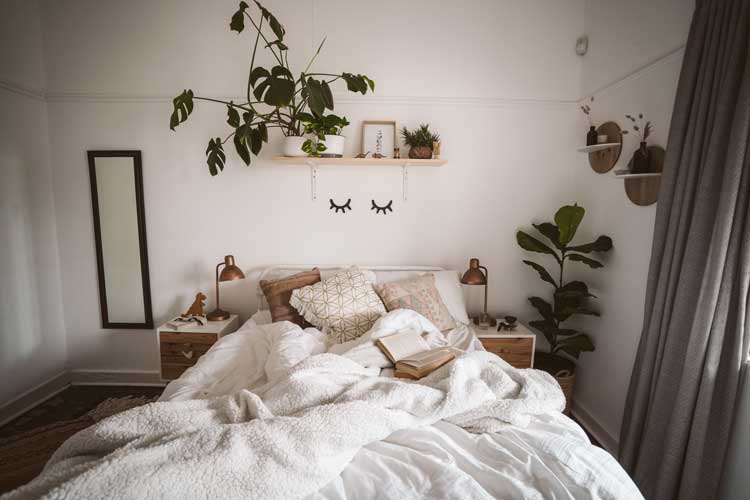
Small bedrooms get a bad reputation. They’re called cramped, awkward, impossible to style. But the truth is that a 90-square-foot room can feel more considered than a sprawling suite, provided every square inch earns its place. The trick isn’t shrinking your furniture. It’s creating pockets of purpose.
Think about the hotel rooms you’ve loved. Rarely were they huge. They felt good because someone decided exactly what each corner was for, then committed. You can do the same thing at home, and it costs far less than moving.
Start by Deciding What Each Corner Does
Walk into your bedroom and look at the four corners. Most people can only name a function for one or two of them. The rest become default storage for laundry baskets, half-unpacked suitcases, and that chair nobody sits on.
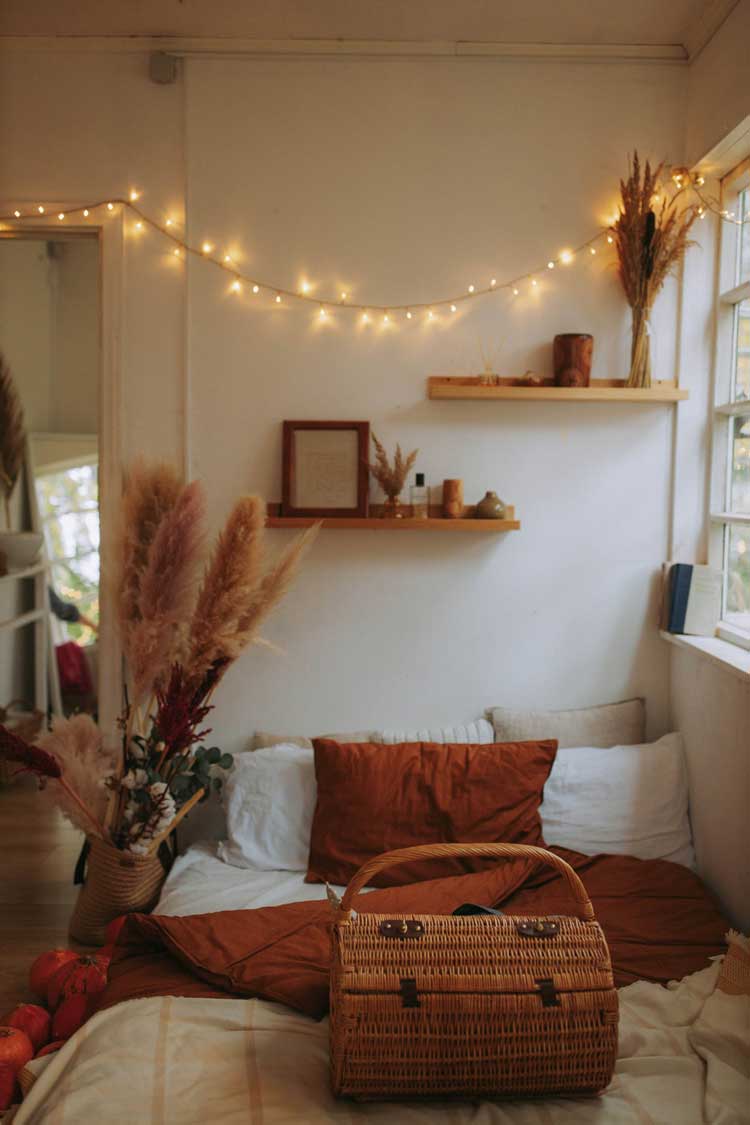
Assign a job to each one. Reading. Dressing. Winding down. Plant care, if you’re that person. A corner with a clear purpose reads as intentional even when it’s only three feet wide. A corner with no purpose reads as clutter, no matter how tidy it is.
The Reading Nook That Actually Gets Used
You don’t need a bay window or a chaise lounge. You need a chair with good back support, a light source positioned over your shoulder, and somewhere to set a mug. That’s it.
A small upholstered armchair, around 28 inches wide, fits in most awkward corners. Skip the matching ottoman unless you genuinely have the floor space. A wall-mounted swing-arm lamp saves a side table from doing double duty and frees up surface area for books.
A Dressing Zone Without a Dressing Table
Full vanity tables eat a minimum of 40 inches of wall. In a small bedroom, that’s a serious commitment. Instead, hang a mirror at eye level and mount a narrow shelf beneath it, no more than six inches deep. Perfume, jewelry dish, a candle. Enough to feel luxurious, not enough to become a dumping ground.
Use the Dead Space You’re Ignoring
Every bedroom has it. The gap above the door frame. The sliver between the wardrobe and the wall. The space directly over a radiator, which in most homes is pure wasted real estate sitting right at a useful height.
That last one deserves more attention than it gets. A made to measure radiator shelf turns an eyesore into a genuine surface. It gives you somewhere for a small lamp, a stack of books, a tray of candles. It also helps deflect rising heat away from your curtains and back into the room, which matters if your radiator sits under a window.
Because radiators are rarely a standard size, cutting a shelf to your exact measurements means no awkward overhang and no visible gap at either end. The result looks built in rather than bought, and that’s the whole game with small spaces.
Vertical Thinking
Floor space is finite. Wall space usually isn’t. A few ideas worth stealing:
- Picture ledges at 60 inches high create a gallery without hammering a dozen separate nails
- Hooks instead of a chair for tomorrow’s outfit, which stops the pile forming
- A single tall plant rather than three small ones, drawing the eye upward
- Curtains hung close to the ceiling, not the window frame, adding visual height for free
Layer Light Instead of Flooding It
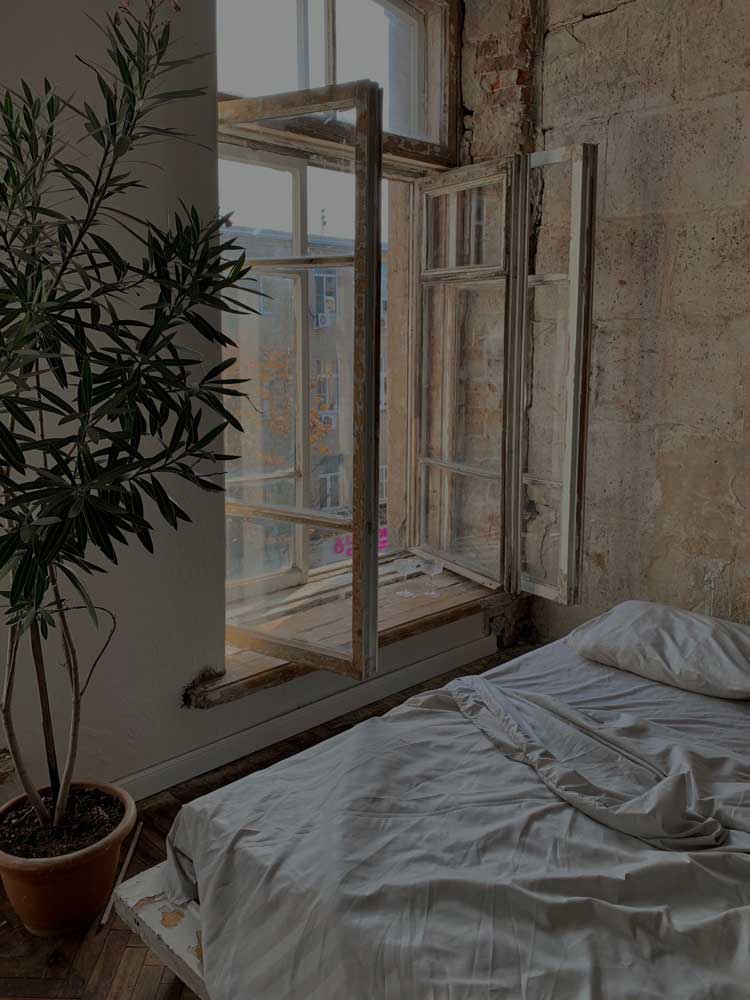
One ceiling fixture is the fastest way to make a small room feel like a waiting area. Cozy corners need their own light, and that light should be low and warm.
Aim for three sources minimum. A bedside lamp. Something in your reading corner. A third accent, maybe a small lamp on that radiator shelf or a strip of warm LEDs tucked behind a headboard. Choose bulbs between 2200K and 2700K. Anything cooler reads as office lighting, and nobody has ever described fluorescent as snug.
Dimmers help enormously. A £15 plug-in dimmer switch changes the mood of a room more than a new duvet cover will.
Texture Does the Heavy Lifting
Here’s where small rooms have an advantage. You need less material to make an impact, so you can afford better quality. One good wool throw beats three cheap acrylic ones.
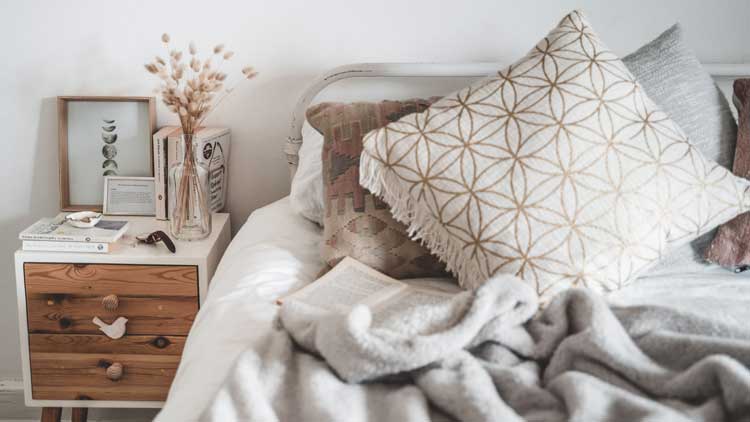
Mix at least three textures in each corner. Something soft, something woven, something with a bit of weight. A linen cushion against a boucle chair against a jute rug. The contrast is what your brain registers as comfort.
Keep your palette tight. Two or three colors plus a neutral. Restraint in a small room is not a limitation; it’s what makes the space feel deliberate rather than accidental.
The Edit Is the Design
Everything above fails if the room is full. Pull out one bag of things you don’t love this weekend. Then look again at your corners.
Small bedrooms don’t need more. They need fewer things, better placed, each doing something you actually care about.