How to Build a Home Aesthetic That Feels Like Your Mood
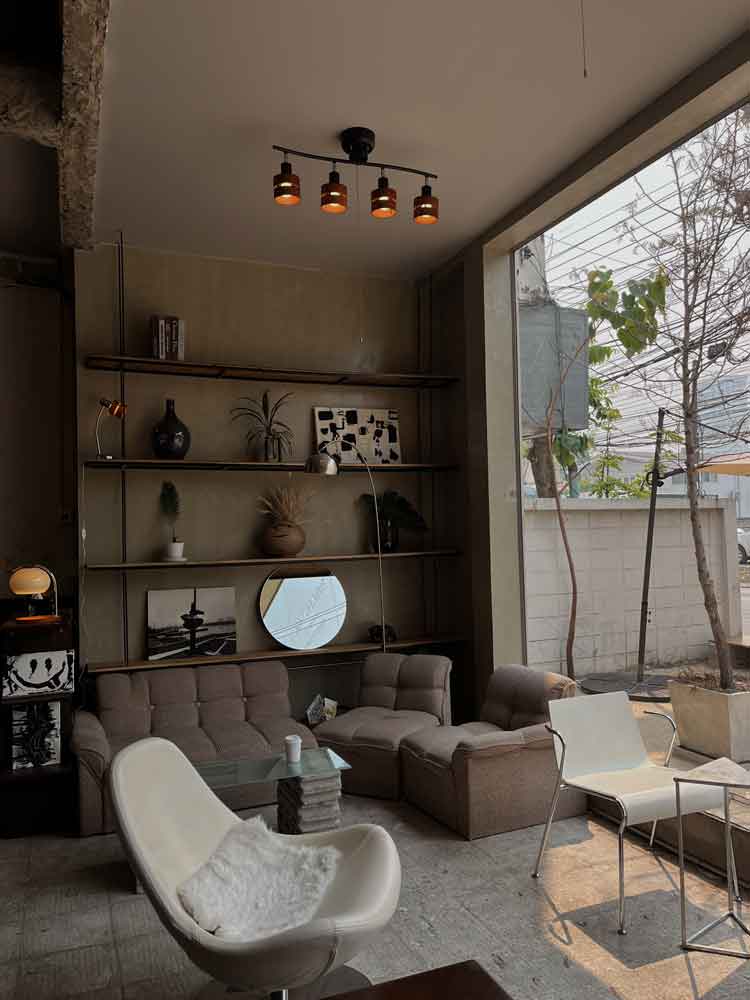
There’s a moment when you walk into a room and it does something to you. Some rooms settle you. Others wake you up, or wrap around you, or make you want to light a candle and stay a while. That reaction happens before you’ve noticed a single object in the space — it’s atmosphere, and it’s the thing a home aesthetic is really made of. Beautiful pieces alone won’t get you there. What gets you there is deciding, first, how you want to feel in the room, and then letting every choice after that quietly serve the feeling.
Start with the feeling, not the furniture
Before you save a single thing to a wishlist, sit in the room and ask what it should do for you. Not what it should look like — what it should feel like when you come home tired on a Tuesday.
Maybe you want calm: a space that lowers your shoulders the moment you step in. Maybe cozy is closer, the sort of room that begs for a blanket and a book. Some people want romance — soft, a little dreamy, gently feminine. Others are drawn somewhere darker and more mystical, all shadow and candlelight and mystery. Cottagecore pulls toward something slower and more handmade. Coquette leans playful and prettily fussy. Modern minimal wants breathing room and clean lines, while maximalism wants colour and pattern and the sheer joy of more.
None of these is more correct than another, and you don’t have to name yours perfectly. You just need to know roughly where you’re heading, because once the mood is clear, every shopping decision after it becomes easier. Skip this and you’ll end up with a room full of things you liked individually and never quite loved together.
Choose the main furniture around the mood
Here’s what surprises people: the mood of a room is set long before the cushions and candles arrive. The big pieces do most of the emotional work, simply because they take up the most space and your eye can’t avoid them.
Think about a sofa. A low, rounded, deeply upholstered one reads soft and inviting. A structured, slim-legged frame in a tight weave says something far more precise and modern. That’s the same room, entirely different feeling — and no amount of styling later will overrule it. The same goes for a bed frame, whether it’s a heavy carved wooden one or a simple slatted platform. A coffee table in pale oak versus dark stone. A desk that disappears into the wall or announces itself. Storage that hides everything behind closed doors, or open shelving that puts your life on display.
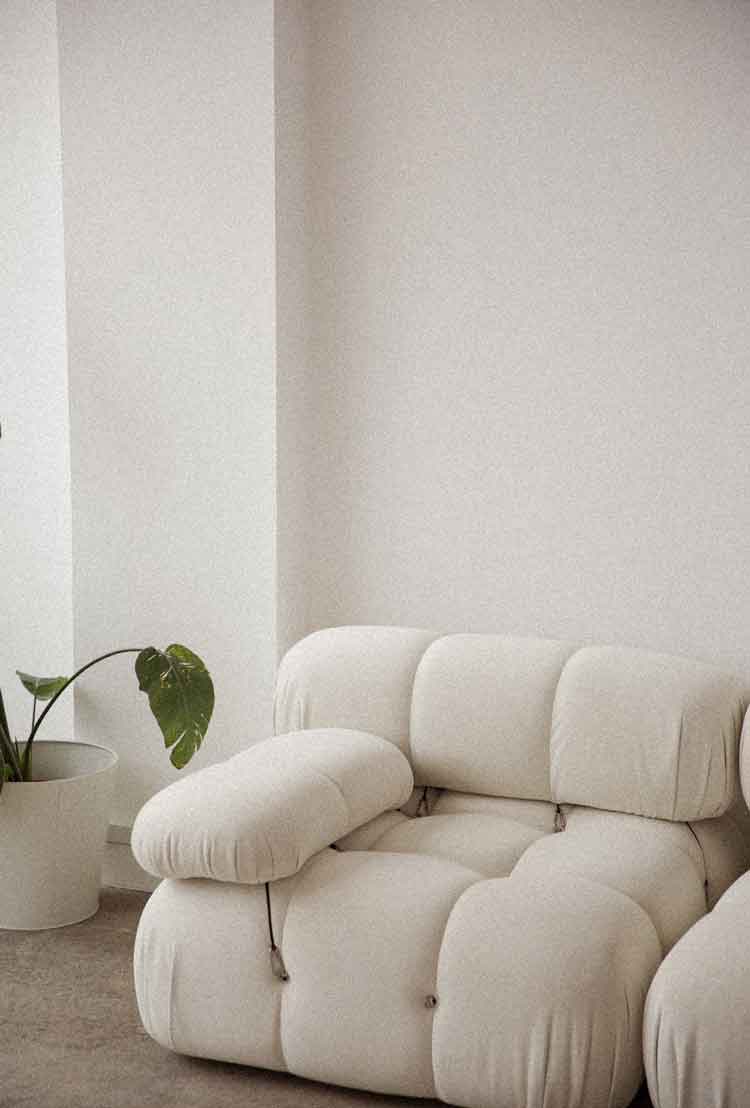
For furniture and décor brands, 3d model services can help present sofas, tables, lighting, storage pieces, and decorative objects in ways that show shape, scale, material, and mood more clearly before shoppers make a decision. From your side of the screen, that’s exactly what you want — enough information to tell whether a piece belongs to your feeling before it arrives in your hallway.
Build a colour palette that supports it
Colour is where mood becomes visible. Get the palette right and half the work is done, because colour is the fastest thing the eye reads and the slowest thing to argue with.
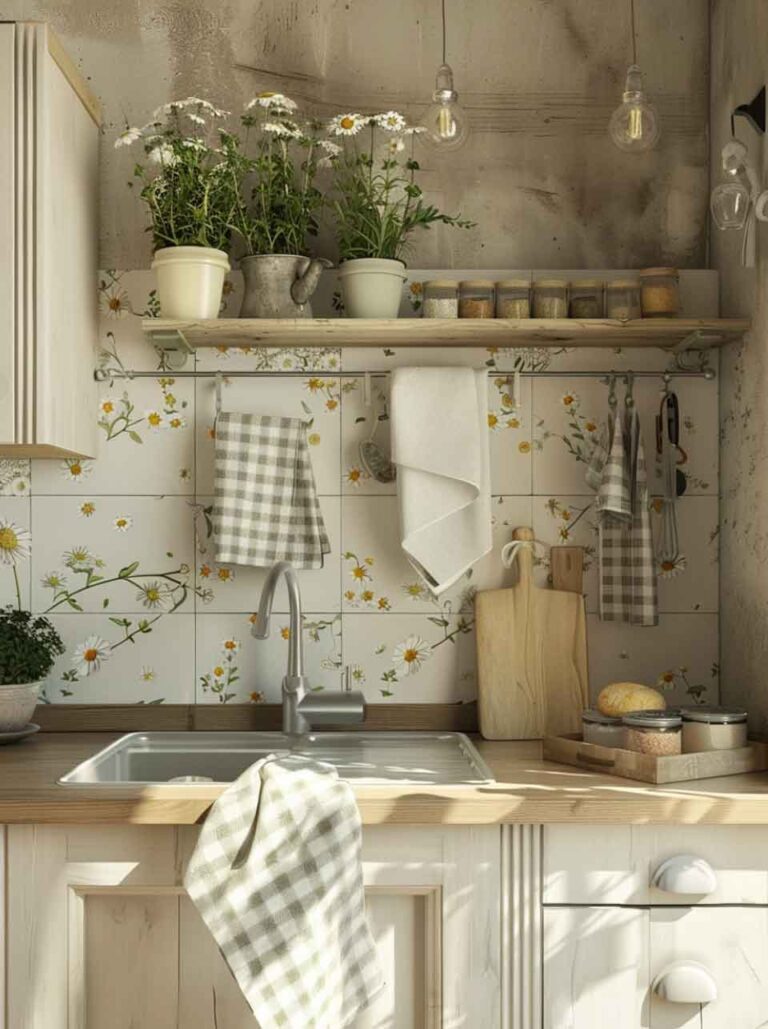
Soft neutrals — warm whites, oatmeal, pale greys — do calm and minimal beautifully, letting light and shape carry the room. For something romantic, try blush and cream with a little gold catching the light. A mystical room wants depth instead: forest green, near-black, aged brass, maybe a bruised plum somewhere. Cottagecore lives in warm browns and sage and the odd faded floral. And playful spaces earn their brightness through a few strong colours used with confidence rather than a rainbow of everything.
The trick is restraint. Choose three or four colours and let them repeat around the room, rather than adding a new one with every purchase. Repetition is what makes a space feel intentional instead of accumulated.
Use texture to make the mood real
A room with the right colours and no texture always feels a little flat, like a photograph of a place rather than the place itself. Texture is what gives an aesthetic its body.
Run your hand over the difference. Velvet catches light and feels luxurious and slightly theatrical. Linen is relaxed and lived-in, quietly undone. Raw wood brings warmth; ceramic brings a handmade softness; metal and glass sharpen a room and make it feel cooler and more deliberate. Rattan and woven baskets carry that easy, sun-warmed feeling. A wool rug underfoot changes a room more than almost anything else you can buy. Layer a few of these — a nubby cushion against smooth leather, a rough ceramic vase on polished wood — and the space stops looking styled and starts feeling real.
Check the product visuals before you buy
Buying for a mood is harder than buying for function, because you’re judging something emotional through a screen. And one flattering photo tells you almost nothing about whether a piece belongs in your room.
Go looking for more. You want close-ups, so you can read the actual texture of a fabric or finish. You want a lifestyle shot, because scale is nearly impossible to judge against a white background. You want all the colour options shown honestly, and real dimensions you can hold up against your space. Resources such as cgifurniture.com also show how one product can be presented through lifestyle renders, close-ups, white-background images, animations, and AR-ready assets, helping shoppers understand whether an item fits a specific aesthetic direction. Seeing the same piece in different settings is genuinely useful — a chair that looks austere in a minimal room might read completely differently among warm woods and soft light.
Add the objects that tell your story
Now the part that makes the room yours rather than a well-executed reference to someone else’s. The furniture builds the mood; the small things give it meaning.
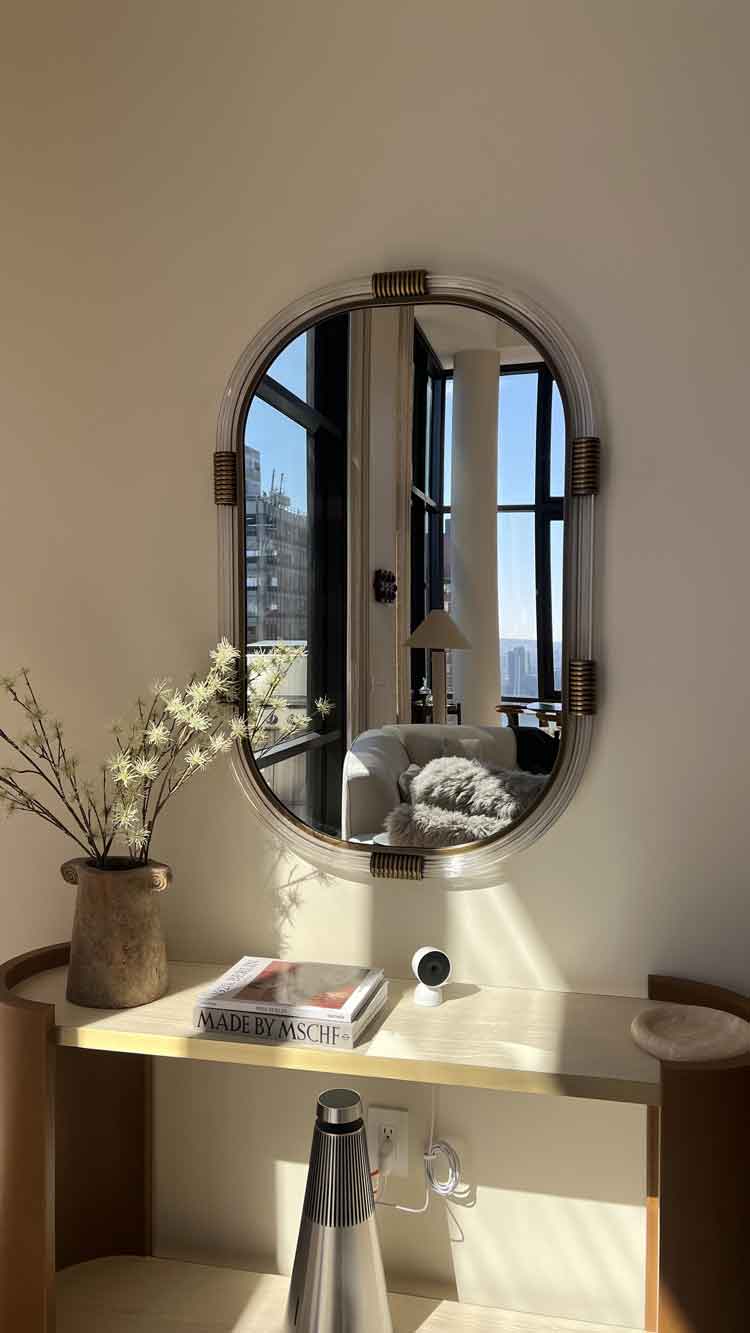
Hang art you actually respond to instead of whatever matched the sofa. A mirror will bounce light around and make a small room breathe. Shelves become a place for the things you’ve collected — books you’ve properly read, a candle you burn rather than save, something vintage you found and couldn’t leave behind. Plants soften every hard edge in a room. A framed photo, an object with a story attached, something inherited or brought back from somewhere. These are what stop a beautiful room from feeling like a showroom.
Don’t let it tip into clutter
There’s a point where “curated” quietly becomes “too much,” and it usually arrives through good intentions. Every trend that fits your aesthetic is tempting, and buying all of them muddles the very mood you were building.
So buy fewer things, more deliberately. Let the colours and materials repeat instead of expanding. Leave some empty surfaces, because the eye needs somewhere to rest and a room with no pause in it feels busy no matter how lovely each piece is. And keep asking whether the space still works for your actual life — whether there’s still somewhere to put a cup down, still room to move. A gorgeous room you can’t comfortably live in isn’t finished yet.
Final thoughts
The best home aesthetics are never copied wholesale from a mood board. They’re built slowly, by someone who knew how they wanted to feel and let that guide the sofa, the colours, the textures, the lamp in the corner, and the small strange object on the shelf that nobody else would have chosen. When it all pulls in one direction, the room stops being decorated and starts feeling like you — which is the only thing an aesthetic was ever really for.
– this post is part of a paid collaboration