How to Actually See Your Aesthetic Before Committing to It
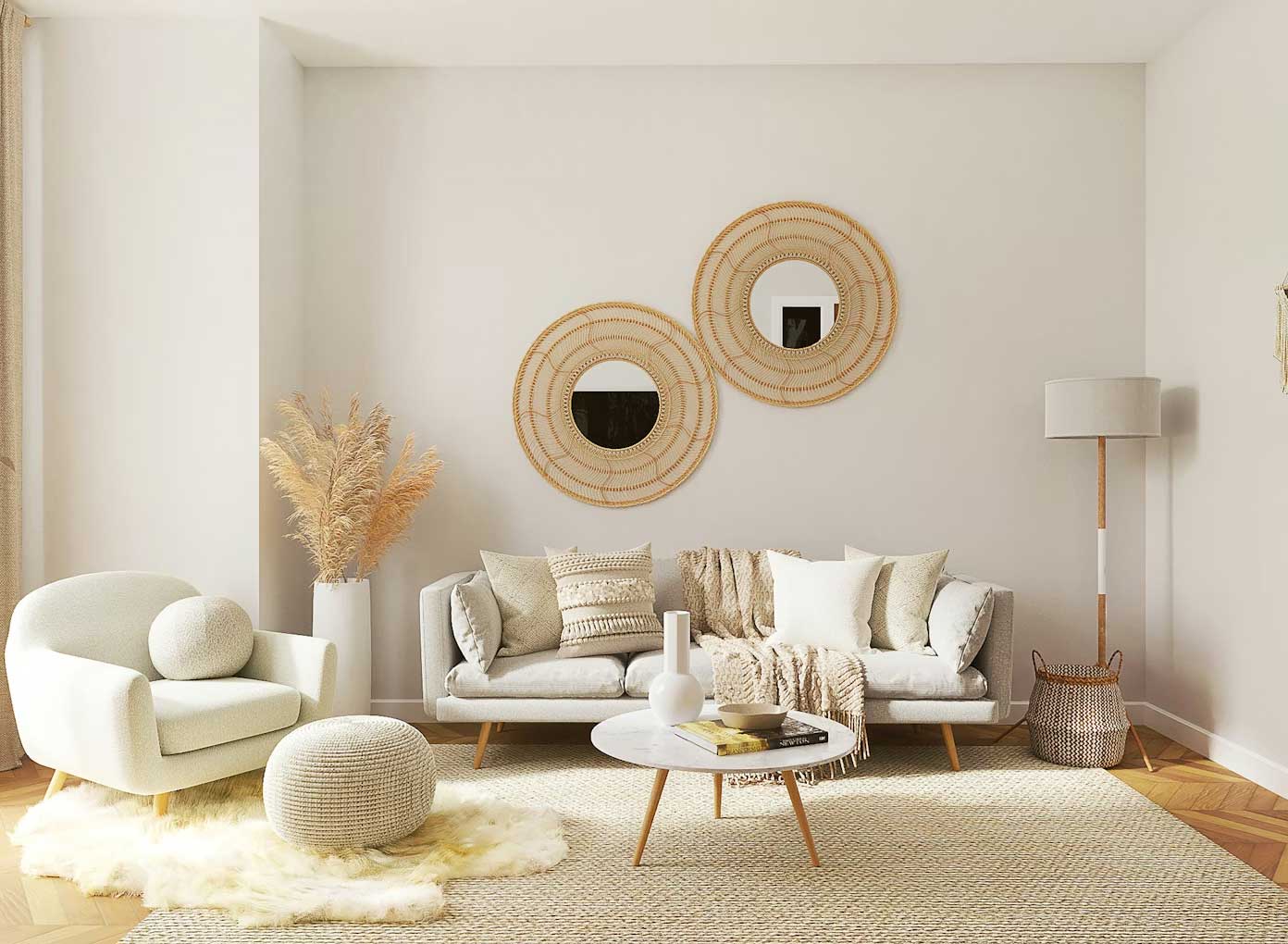
You’ve had the Pinterest board for months. It’s perfectly curated — the exact right ratio of warm neutrals to moody textures, the reading nook with the amber lamp, and the gallery wall that somehow looks effortless. You know your aesthetic. You can feel it.
Then you buy the linen duvet cover, the rattan shelf, and the vintage-looking mirror. They arrive. Your room looks… fine. Not wrong exactly. Just not the vision. Not the vibe.
Here’s the thing nobody tells you about aesthetic rooms: what works on a mood board doesn’t automatically translate into a real space. Proportions are different. Your ceiling is a different height. The light in your room hits from a different angle than the inspiration photo. The textures that looked cohesive in a flat image compete differently in three dimensions.
The fix isn’t a better Pinterest board. It’s seeing the real space before you commit to anything. And there are tools that let you do exactly that — ones that most people scrolling aesthetic content have never heard of.
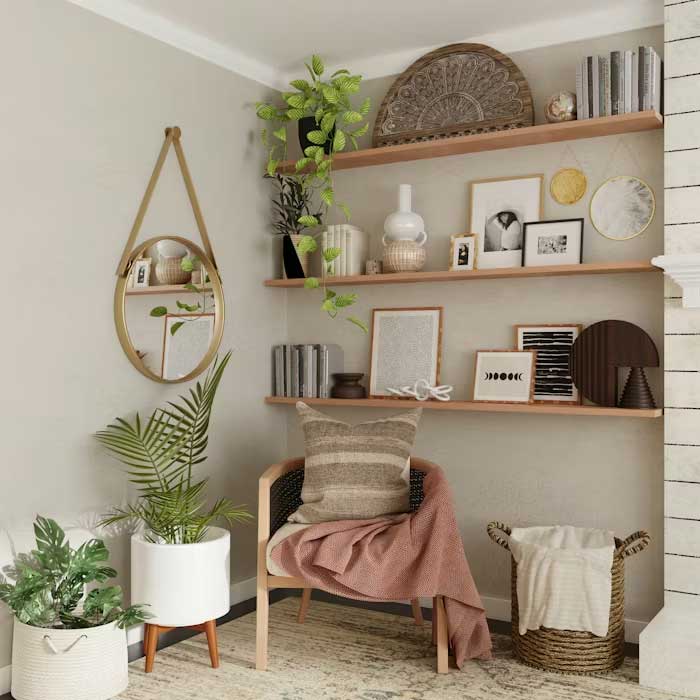
The Problem With Planning From Photos
Aesthetic inspo is almost always photographed in spaces that have been specifically designed and styled for photography. Professional lighting. Carefully chosen camera angles that make a room look larger, airier, and more cohesive than it is in real life. Furniture scaled to the frame, not to the room.
When you try to recreate that in your own space — which has its own dimensions, its own windows, its own awkward radiator in the corner — you’re working against a fundamental mismatch. The photo showed you a feeling, not a blueprint.
This is why so many aesthetic rooms on Pinterest stay on Pinterest. The vision is real. The execution keeps hitting walls (sometimes literally — that gallery arrangement you planned doesn’t actually fit between the door and the window).
What a 3D Virtual Tour Actually Is
You might have come across the term in the context of real estate — those 360-degree walkthroughs you can click through when looking at properties online. But the technology goes further than that.
A 3D rendering virtual tour is a fully rendered, interactive version of a space built from actual dimensions, with real lighting simulation, real furniture placement, and real material textures. Instead of imagining how your Cottagecore bedroom would look with the wooden bed frame against the north wall and the dried flower arrangement above it, you can walk through a version of it digitally, at eye level, before you buy a single thing.
It sounds like something only developers and architects use. But it’s increasingly accessible for anyone planning a room that actually matters to them — and for aesthetic people, that’s basically every room.
The Specific Problems It Solves for Aesthetic Spaces
Let’s get concrete about where this helps.
Scale is the biggest killer of aesthetic rooms. A bed that looks perfectly proportioned on a product page can dominate a room and leave no space for the reading corner you planned. A gallery wall that seemed generous in your sketch can look sparse on the actual wall. A maximalist Dark Academia setup can tip from curated to chaotic based on a few centimetres of clearance between pieces.
Lighting is the second one. The warm, amber, cosy lighting that defines a Cabincore or Light Academia room depends entirely on where your actual windows are, what direction they face, and how you layer your artificial light sources. A virtual rendering can simulate different lighting scenarios – morning light vs evening lamp light -so you know which pieces will glow the way you want them to and which will look flat.
Colour relationships are the third. Your Sage Green aesthetic might involve four or five different shades of green across textiles, walls, and plants. In isolation, each looks right. Together, in a real space, some combinations sing and some clash. A rendered room lets you see the full combination before you’ve committed to a paint colour or bought the third throw pillow.
If You’re Moving Into a New Space
This is where virtual tours become genuinely powerful for aesthetic planning — specifically when you’re about to move into a place you haven’t lived in yet.
Moving is the moment most aesthetic people either nail their vision or spend the next two years gradually fixing a room that never quite comes together. The decisions you make in the first weeks – paint colour, where the main furniture goes, what you bring from your old place and what you leave behind – set the trajectory for everything that follows.
A virtual apartment tour lets you walk through the actual space before you move in, with your furniture in it, in your chosen palette, styled to your aesthetic. You can test whether the Minimal setup you’re envisioning works with the apartment’s existing floors and moulding. You can see if the jewel-tone Luxurious Aesthetic you love translates to a room that gets mostly north-facing light. You can move the sofa three different ways before you’ve packed a single box.
That’s not a small thing. Moving is expensive. Repainting a whole room because the colour didn’t land the way you hoped is expensive. Buying a statement piece of furniture and realising it doesn’t work with the room is very expensive. Seeing it first costs a fraction of fixing it later.
How to Use This for Your Current Room
You don’t have to be moving to make this useful. If you’re planning a room refresh — a new aesthetic direction, a different colour palette, a bigger furniture swap — the same logic applies.
Start with what you know: the actual dimensions of your room, the positions of windows and doors, and the ceiling height. These are the constraints that your Pinterest board has been ignoring. A floor plan doesn’t need to be precise to the millimetre — a rough sketch with real measurements gives you something to work with.
Then build the aesthetic as a brief: the mood you’re going for, the key pieces you already own or plan to buy, the colour palette, and the lighting approach. Be specific. ‘Cosy Dark Academia with warm wood tones, lots of books visible, amber lighting, and no overhead lights’ is a brief. ‘Dark Academia vibes’ is a feeling that a real space has to somehow translate.
With those two things — real room data and a clear aesthetic brief — a 3D rendering can show you exactly what you’re building before you buy the first thing. That’s not just useful. For anyone who’s ever been disappointed by a room that looked perfect in their head, it’s genuinely transformative.
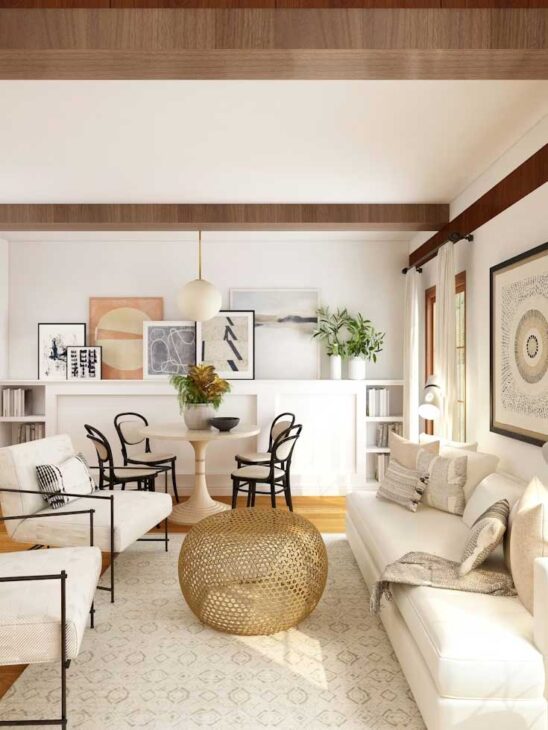
The Aesthetics That Benefit Most
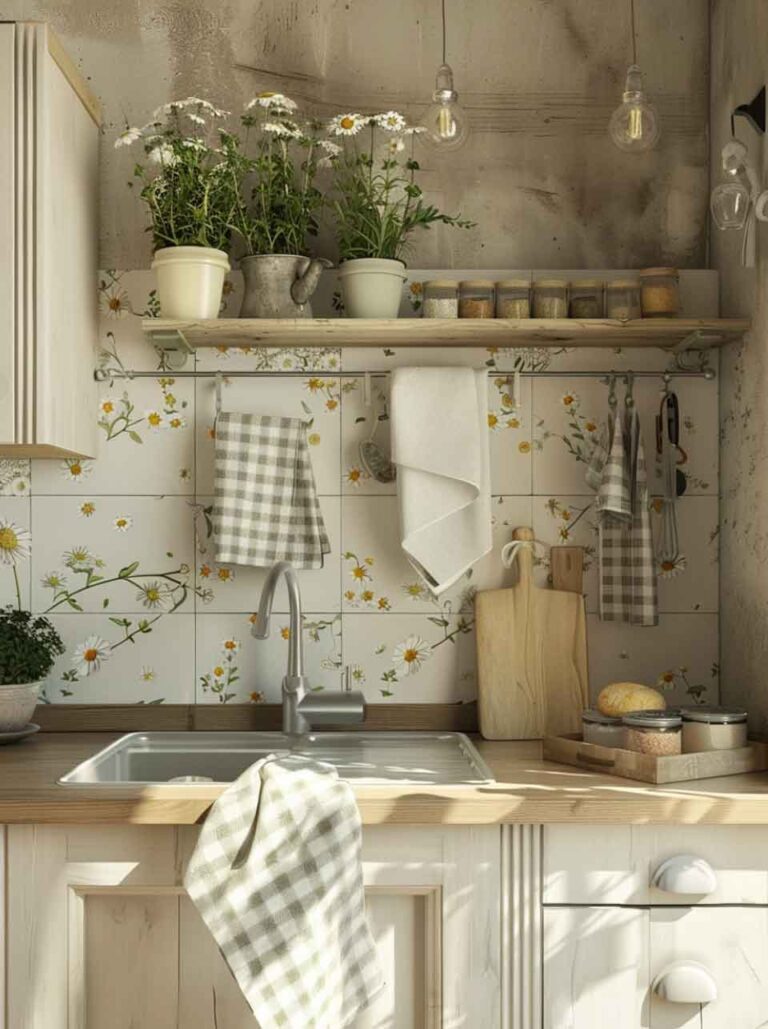
Some aesthetic styles are more forgiving than others when it comes to spatial planning. Maximalist aesthetics – Cottagecore, Dark Academia, Witchy, Fairy – involve layering a lot of elements, which means there are more variables to get wrong. The difference between a beautiful, layered Cottagecore room and a cluttered one is often just proportion and intentional placement. Seeing it rendered before you commit to the layers is the difference.
Minimal aesthetics – Minimal Mood, Sage Green, Clean Girl – seem simpler but are actually less forgiving of mistakes. When there are fewer elements, each one carries more weight. A piece of furniture that’s slightly the wrong scale, a plant in slightly the wrong position, a wall colour that reads differently in the afternoon light — in a minimal room, these things are visible. Getting the render right first means getting the space right first.
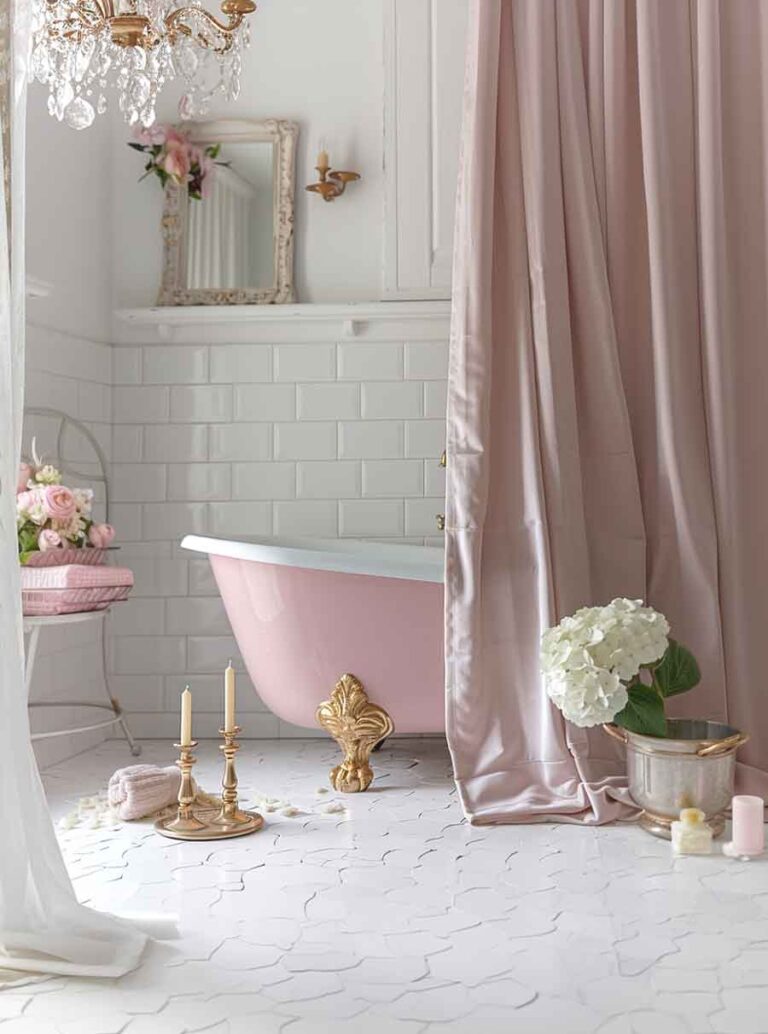
Luxurious and Gold – Aesthetic rooms involve expensive pieces. If there’s any category where seeing it before you buy is worth the investment, it’s here. One statement piece in the wrong position can flatten an entire design concept that would have worked perfectly with a different layout.
See the Vibe Before You Live It
The aesthetic you’ve been building on your board is real. The vision is there. The missing piece is usually just a way to see it in your actual space, at your actual scale, with your actual light — before you’ve spent anything.
Virtual tours and 3D renderings are that missing piece. They exist at the intersection of the digital aesthetic world you live in and the physical one you’re trying to create. And for anyone who takes their aesthetic seriously — which, if you’re here, is you — they’re worth knowing about.
Save the mood board. But before you paint, before you buy the big piece, before you commit to the layout — see the room first.
– This post is part of a paid collaboration