Why Nature Is One of the Best Remedies for Everyday Stress
There is a particular kind of tiredness that sleep does not fix. It is the kind that builds up slowly over weeks of back-to-back screens, crowded commutes, noise that never quite stops, and the low hum of ten different things demanding your attention at once. A lot of people live in that state for so long that it starts to feel normal. Until they step outside, really outside, and something shifts.
Nature has this almost unfair ability to do what nothing else does. It is not just pleasant. It is genuinely, physiologically restorative in ways that researchers keep confirming and that anyone who has spent a weekend near a forest or a coastline already known in their bones.
Why the Coast Does Something Different to Your Nervous System
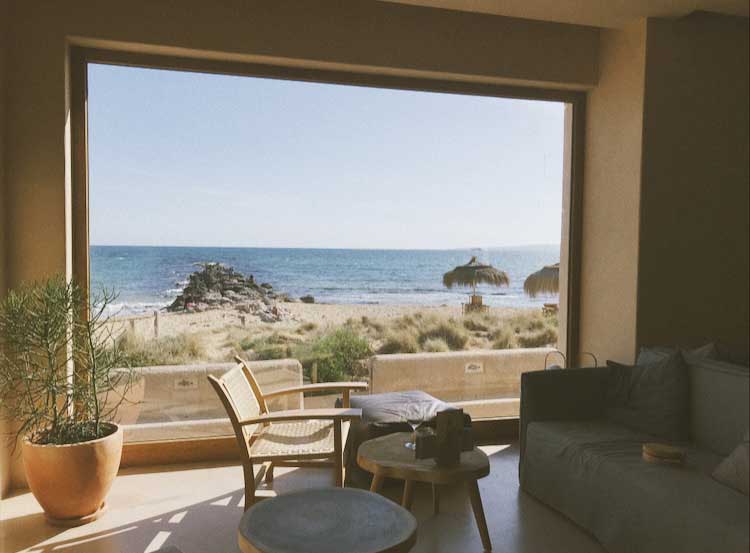
There is a reason people talk about the beach or the bush as places where they finally exhaled. It is not just the change of scenery. The combination of natural sound, open space, reduced digital stimulation, and physical movement in an outdoor environment genuinely lowers cortisol levels and activates the parasympathetic nervous system, the part that handles rest and recovery rather than threat response.
A place like Moonee Beach Holiday Park on the NSW North Coast captures exactly that. You are close enough to the ocean to hear it constantly, surrounded by natural landscape, and just far enough from ordinary life that the usual triggers stop reaching you. That is not nothing. For someone running on fumes from a pressured week, even two nights in that kind of environment can reset something that months of trying-harder at home could not.
The body responds to nature differently than it responds to a relaxing evening at home. Both have their place, but only one involves fresh air, real quiet, and the particular kind of sensory input that humans are actually wired for.
The Slow Living Connection
It is worth noticing that so many of the aesthetic movements people are drawn to right now are, at their core, about the same thing. The pull toward the outdoors and away from overstimulation is not new. It sits underneath a lot of the cultural moods that resonate most deeply right now.
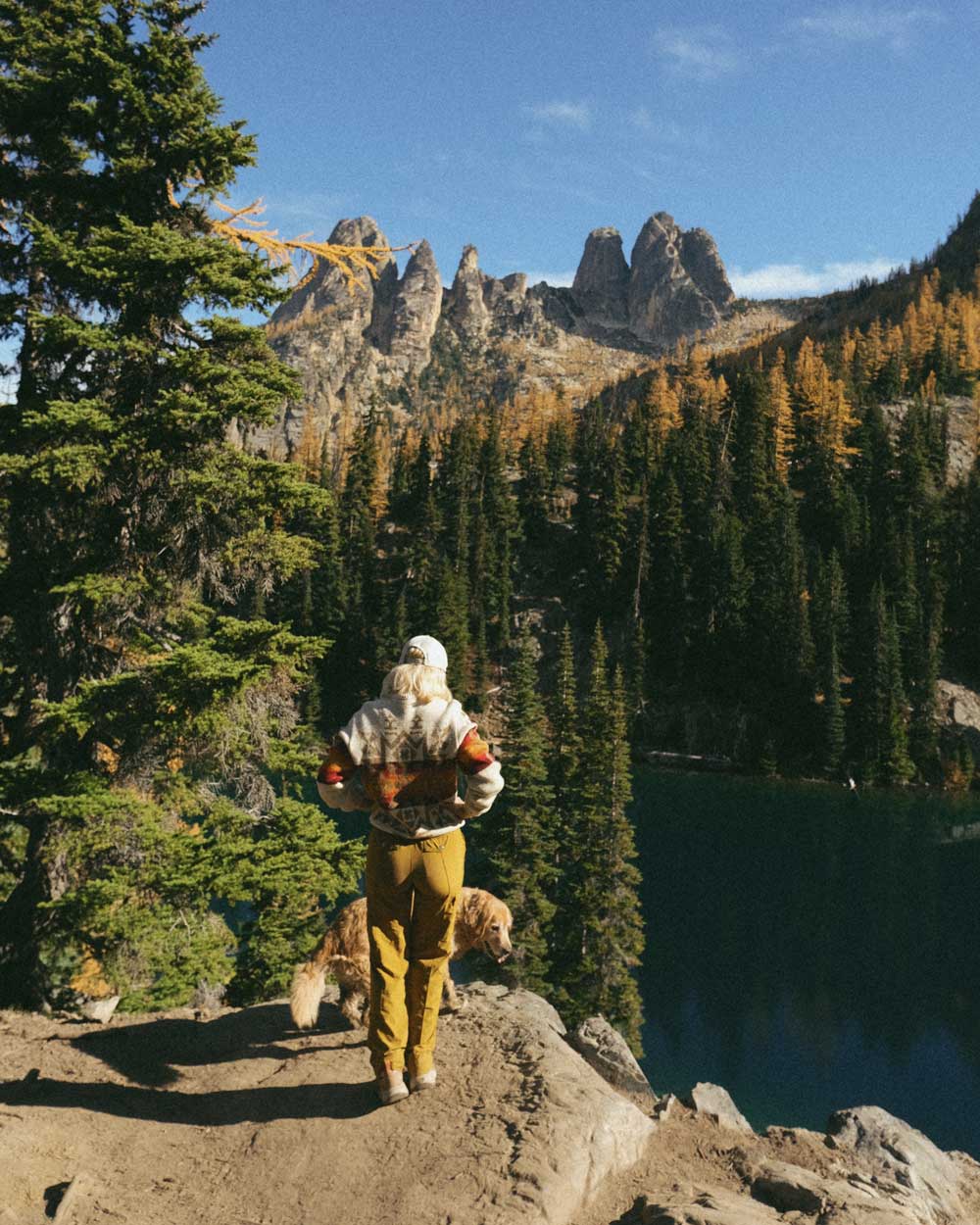
The granola girl aesthetic is one of the clearest expressions of this. It is not really about how you dress, at least not entirely. It is about a whole orientation toward the world that prioritises actual lived experience in natural spaces over performance, productivity, and being perpetually reachable. Camping, hiking, time near water, meals cooked over a fire. These are not trends. They are responses to a genuine need that modern life keeps creating and rarely satisfies.
The appeal makes complete sense when you understand what extended time in nature actually does. It is not an escape from real life so much as a return to the conditions under which humans feel most like themselves.
Planning Time Away Without Leaving Things to Chance
One of the things that keeps people from taking these restorative trips as often as they should is logistics anxiety. There is a real irony in spending so much mental energy organising a break that you arrive already depleted. Getting the practical side sorted well in advance makes an enormous difference, and that includes things many people overlook until they are standing in a caravan park car park wishing they had thought of it earlier.
Good insurance for caravan owners is one of those things. It sits somewhere between boring and genuinely important. The caravan or motorhome is not just a vehicle. For a lot of people, it is the actual vehicle for getting to the places that restore them, and having it properly covered means the trip happens without the background anxiety of what could go wrong. Getting that sorted beforehand is just part of being a prepared, relaxed traveller rather than a stressed one.
What Happens When You Give Yourself Enough Time
A weekend in nature helps. But a week does something different. The first day or two is mostly decompression. By day three, something quieter comes in. You start noticing things again, the light at a particular time of morning, bird sounds, the way your appetite changes when you are actually active and outside. You stop reaching for your phone every few minutes not because you are disciplined but because you genuinely forgot to.
That is the thing about nature. It does not require you to practice mindfulness or follow a protocol. It just slowly, persistently pulls you back to a pace your nervous system can actually handle. And the cottagecore impulse toward slow living and connection with natural rhythms that so many people feel is really just this same instinct wearing a very pretty linen dress.
The craving for green and quiet and open space is not nostalgia. It is your body telling you something accurate about what it needs, and it is worth listening to more often than most of us do.
– This post is part of a paid collaboration