How Can Cabinet Pulls Shape a Kitchen’s Mood?
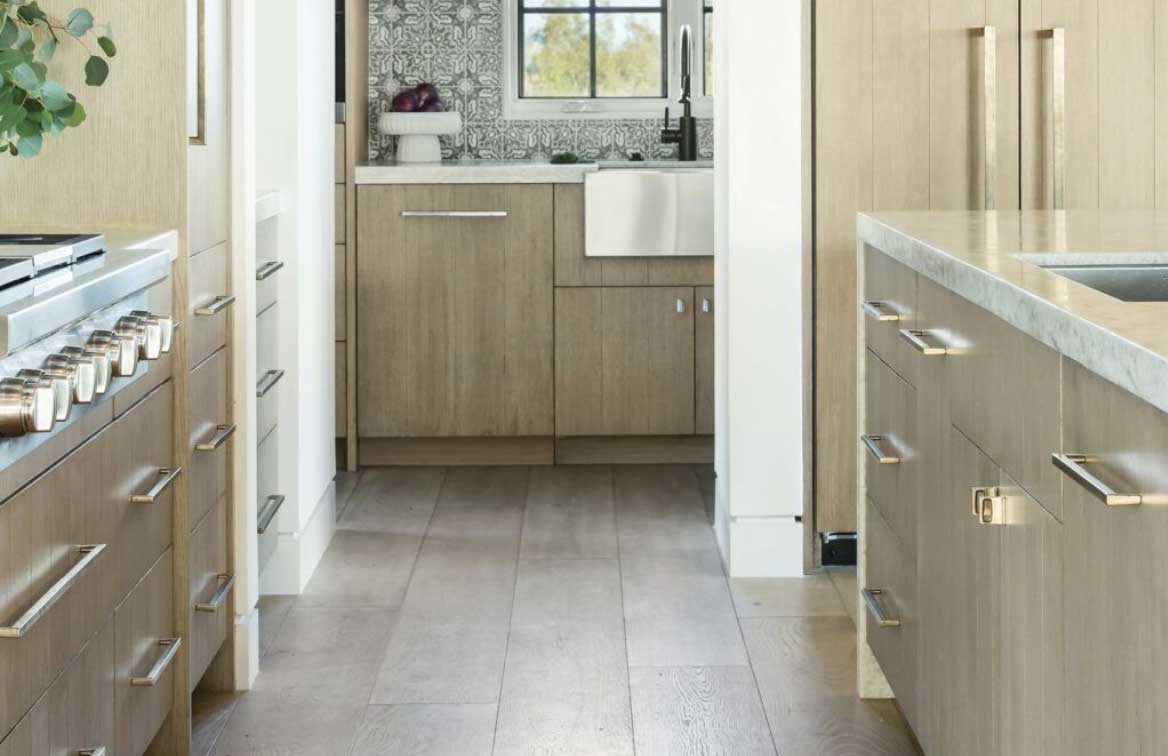
The lines made by cabinet pulls can change a kitchen before another color or object enters the room. They may form a quiet rhythm across pale doors or bring a bold edge to dark wood. For a designer selecting high end cabinet pulls, the task is to connect that visual effect with the way the kitchen feels in use. Bronze offers scope for both soft and crisp forms, with finishes that respond to the light. The choice begins with the mood of the room. Scale, surface, and placement give that idea its shape.
The Outline Sets the Visual Pace
A long, straight pull can extend the lines of a broad drawer. A curved form can bring a softer note to cabinets with sharp corners and flat fronts. These shapes have their own effect even before the finish is chosen. Look at the kitchen as an arrangement of lines. Door rails, stone edges, and open shelves already create a rhythm. The pulls can echo one of those lines or introduce a small change that keeps the room from feeling too rigid.
That choice needs a view of the full cabinet run. A shape that feels bold as a single object may become busy when repeated across many doors. Test a sample or full-size outline on more than one front. View the kitchen from the place where people will enter or sit. This shows the pattern at the scale of the room. A calm scheme can still have expressive hardware; the number and spacing of the pieces influence how strong that expression feels.
A Finish Takes Its Color From the Setting
Metal should be reviewed beside the paint and stone it will meet. A warm bronze tone may draw out the grain of walnut or give a muted green door a softer edge. A silvery bronze can offer a cooler point of light against oak. Neither effect is fixed by the name on a finish chart. The sheen, nearby colors, and the room’s light all shape the impression. A real sample brings those elements into the same view for the designer and homeowner.
RMH’s palette includes silicon bronze and white bronze with hand-applied patinas. That gives the design team a way to explore warm and cool tones within the same bronze range. Compare the sample in daylight and under the planned task lights. Try it on a door and a drawer front if both are in the scheme. The angle can change where a highlight falls. The best choice belongs with the real surfaces. It should work in the room’s soft light as well as its bright highlights.
Texture Changes How Light Meets the Pull
A smooth curve can carry a broad highlight, while grooves break light into smaller marks. A textured surface can give a quiet cabinet face more depth at close range. This is one reason to review form and finish together. A dark patina on a strongly shaped pull may reveal its edges through light and shadow. A lighter surface may show the same form more directly. Each can support a different mood, from a soft, tactile kitchen to one with a clear graphic structure.
Balance that effect against the surfaces in the room. A stone slab with a strong pattern may need only a restrained line of metal beside it. A plain painted front can leave more room for a detailed pull. The designer can test where the eye should pause and where it should move on. If one texture appears on each surface, the effect can become flat. A quiet expanse of paint can give a hand-finished detail more room to be seen.
The Hand Should Agree With the Eye
A pull will be used throughout the day, so comfort belongs in the design review. Check the space behind the grip and how its edges feel. Try the sample with a movement that resembles opening the intended drawer. A narrow gap or an awkward curve may become clear at once. Drawer size and load matter to that discussion too. Choose cabinet and appliance pulls for their own roles. Check each against its product sheet for fit.
Placement brings these questions into the woodwork. The pull needs to sit well on the rail or face while leaving room near corners and nearby doors. Check the overall length as well as the center-to-center fixing dimension. One describes the whole pull. The other gives the gap between its fixing points. A full-size sample against the front helps the cabinetmaker confirm where to drill before work is final. The rhythm seen from across the room then follows a detail that feels good to use.
An Evolving Surface Can Belong to the Mood
A living bronze finish will change through touch and time. The most-used drawers may change in ways a cupboard kept for guests does not. That can suit a kitchen whose wood grain and stone already have their own depth. Discuss it while the palette is being chosen. The sample records the chosen finish at the start. The household’s use will shape what follows. The choice involves how the bronze will age as well as its color.
The parts of a kitchen work together to shape its mood. A clear outline, a well-judged tone, and a comfortable grip can give cabinet pulls a distinct role within that whole. With the size and placement resolved, the detail can feel calm at a distance and rewarding up close. The kitchen gains a piece chosen with the same care as the wood and stone, one that will be seen in the room and felt in daily use.
– This post is part of a paid collaboration