Designing Your Dream Laundry Room: From Practicality to Pinterest-Worthy
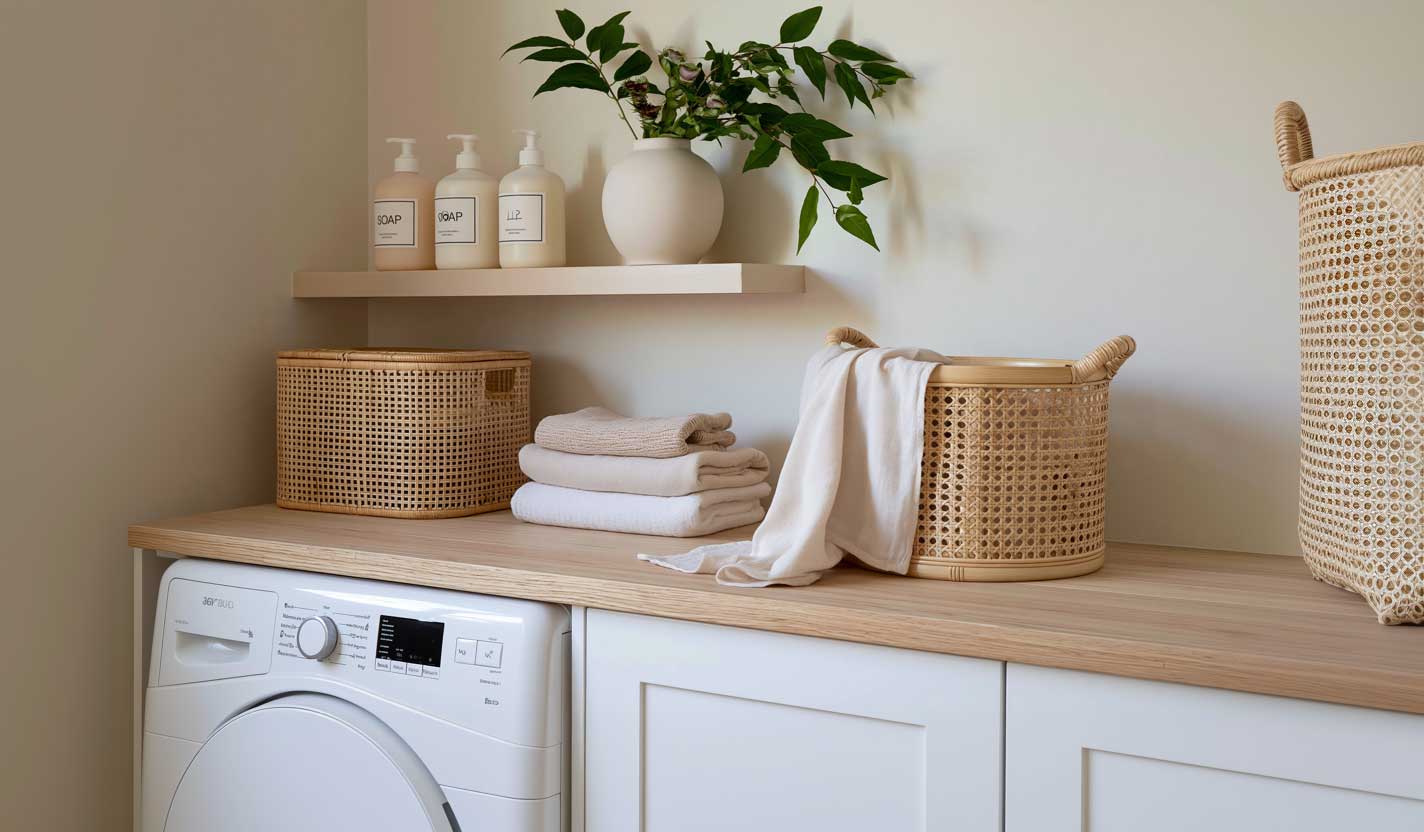
The laundry room is often the hardest working space in a house, yet it is frequently the last place to receive any focused design attention. For many people, it is just a hidden utility closet where mismatched socks and empty detergent bottles go to hide out of sight. Taking the time to update your room can make a tedious weekly chore feel like a much more pleasant experience.
A well-designed laundry area balances hardworking functionality with visual appeal, proving that a space meant for dirty work can still look absolutely beautiful. Whether you are dealing with a spacious basement setup or a compact closet, careful planning and clever material choices make all the difference.
Planning Your Layout for Flow and Function
Creating a functional laundry room requires thinking about how you actually move through the space on wash day. You need to account for sorting dirty clothes, transferring wet loads, folding clean items, and hanging specific pieces to dry. Before buying tiles or picking out paint colors, sketch out the clearance required for your major appliances, doors, and walkways. When planning your laundry room layout, selecting the right washing machine is the foundational step, influencing everything from water hookups to cabinet dimensions and overall workflow.
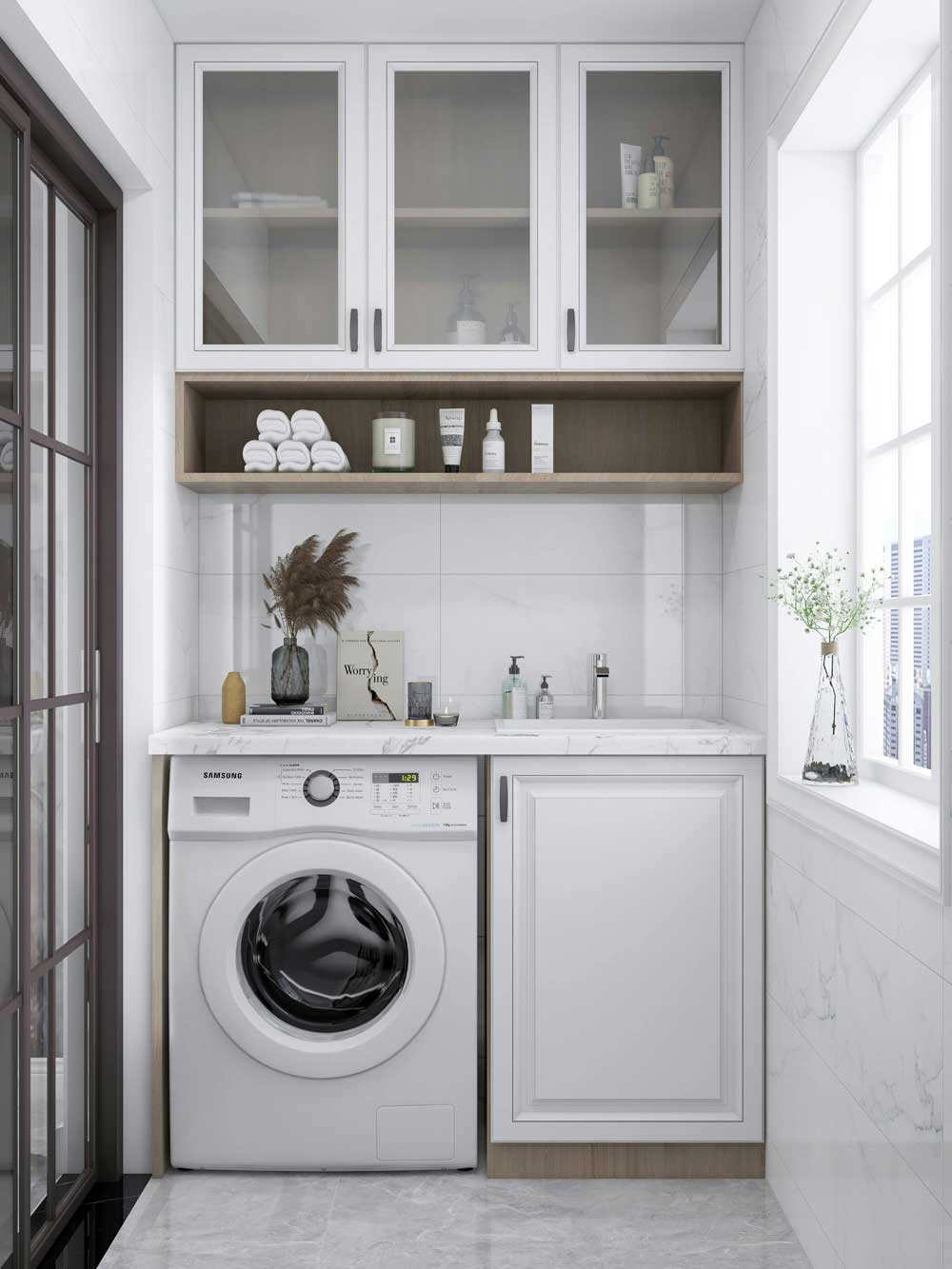
Front-loading and top-loading models each demand different spatial considerations. Front-loaders need plenty of room for doors to swing wide open, while top-loaders require unobstructed clearance from above. You will want to leave at least a few inches behind the machines for venting and hoses, plus ample space in front to stand comfortably holding a heavy laundry basket. If your space is especially tight, stacking your units might be the best option to free up valuable floor space for storage or utility sinks. Always measure doorways and hallways leading to the room to avoid any frustrating delivery day surprises.
Maximizing Work Surface and Folding Zones
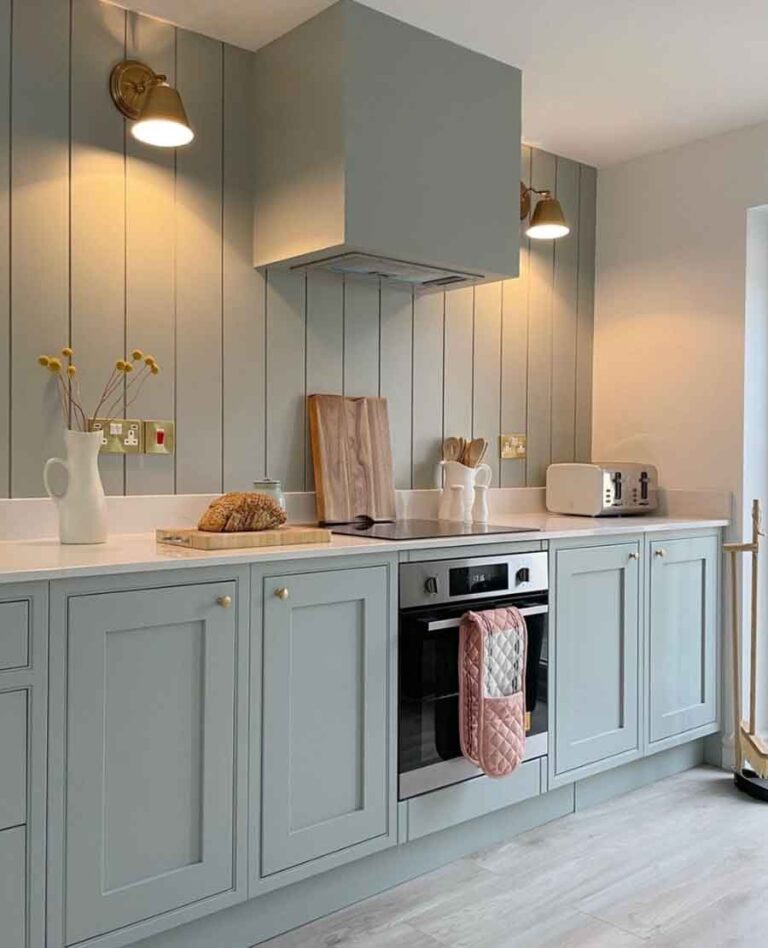
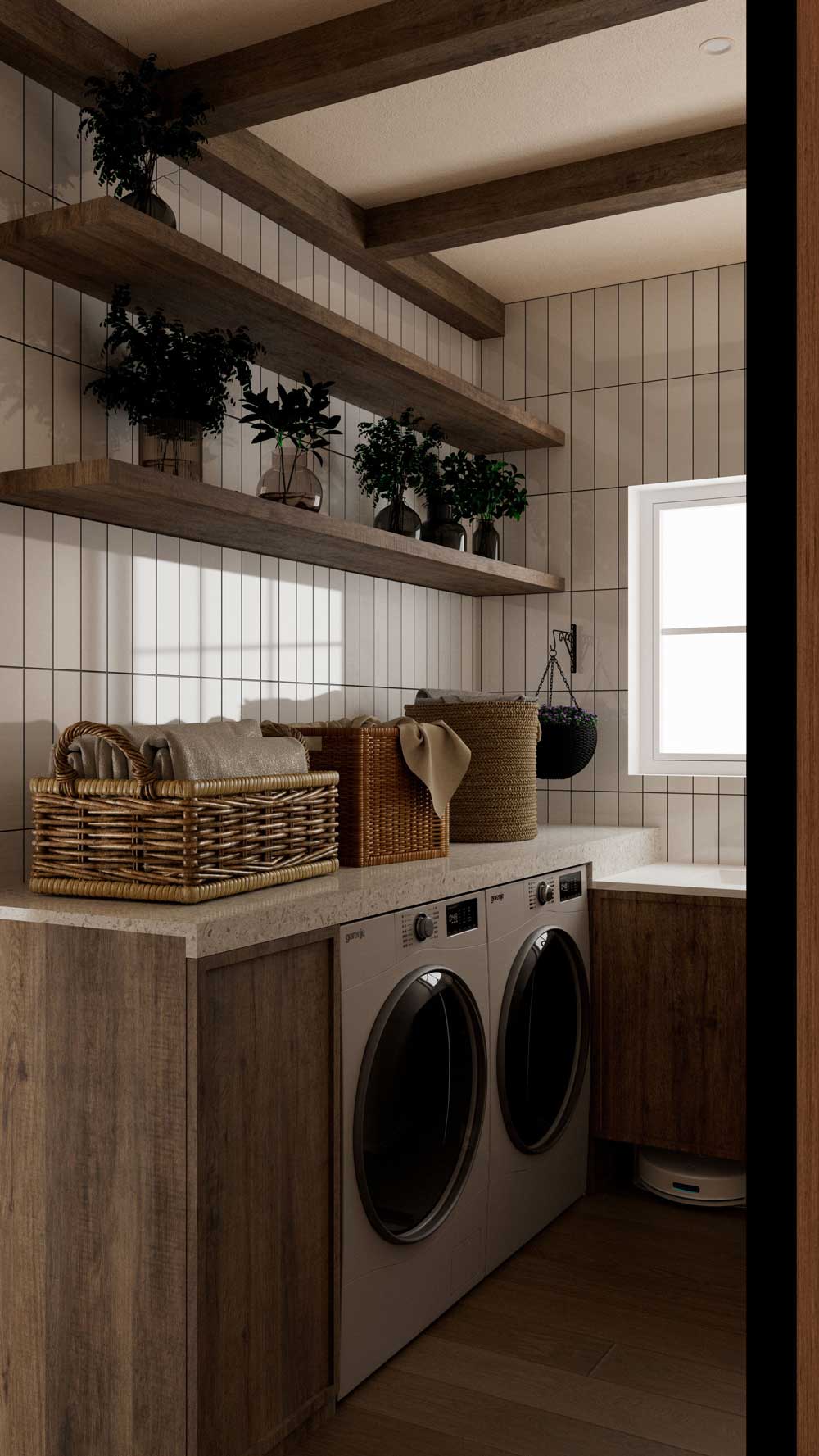
Once your major appliances are in place, the next priority is creating a highly usable work surface. Having a dedicated folding zone makes the entire process significantly more efficient and prevents clean clothes from ending up wrinkled on the living room couch. If you have front-loading machines sitting side by side, a continuous countertop installed directly above them creates a seamless, built-in look while maximizing horizontal space.
You can use materials like butcher block for natural warmth or quartz for high durability against detergent spills and scratches. For tighter rooms or closet laundry setups, a drop-leaf table mounted to the wall can provide a temporary folding station that folds completely flat against the wall when not in use. You might also consider adding a deep utility sink next to your work surface. A sink is incredibly helpful for hand-washing delicate items, pre-treating tough stains, or even washing muddy shoes. Pairing a deep basin with a high-arc pull-down faucet makes filling large buckets or soaking oversized items much easier.
Dedicated Solutions for Air-Drying Garments
Not everything can be tossed straight into the dryer. Delicates, activewear, and woolen sweaters require air-drying to maintain their shape and longevity. Dedicating specific areas for these items prevents them from being draped awkwardly over doors or dining room chairs throughout the house. Installing a hanging rod between upper cabinets or underneath floating shelves provides a permanent spot for damp shirts to drip dry.
If wall space is limited, a retractable clothesline offers a highly functional alternative. It can be pulled across the room when needed and tucked away neatly into its housing when not in use. Sweaters and heavy knits need to dry flat to prevent their fibers from stretching. Including pull-out mesh drying racks built right into your cabinetry is a clever way to handle these garments. These racks slide out just like regular drawers but feature a breathable mesh base that allows air to circulate around the clothing. If custom built-ins are out of the question, keep a foldable wooden drying rack tucked beside your appliances or hung securely on the back of the door.
Smart Storage Solutions to Hide the Clutter
Laundry rooms inherently gather a lot of clutter. Detergent jugs, dryer sheets, stain removers, and stray hangers pile up quickly if they do not have a designated home. The primary goal is to keep everyday items accessible while hiding the visually noisy packaging behind closed doors. Installing floor-to-ceiling cabinetry is an excellent way to maximize vertical storage, giving you room to stash bulky supplies like paper towels, cleaning caddies, and the vacuum cleaner alongside your wash day essentials.
If custom cabinets are not in the budget, floating shelves paired with woven baskets or opaque storage bins work just as well to conceal the mess. You can pour your liquid detergents into clear glass dispensers or use decorative canisters for powder and pods to create a cleaner, more cohesive look on open shelves. Creating a pull-out drawer for hidden sorting hampers is another practical touch that keeps dirty clothes off the floor and entirely out of sight until you are ready to tackle them.
Adding Personality Through Color and Lighting
Utility spaces are the perfect place to experiment with bold design choices that you might hesitate to use in a main living room or bedroom. Since laundry rooms are usually smaller and closed off from the rest of the house, you can easily go dark and moody with your cabinet paint or apply a vibrant, heavily patterned wallpaper. Dark forest greens, rich navy blues, and even warm terracottas pair beautifully with classic brass hardware and crisp white subway tile.
Lighting also plays a massive role in how the space feels and functions. Many builder-grade laundry rooms suffer from a single, harsh overhead light that casts depressing shadows. Swapping out that basic fixture for a stylish pendant or a vintage-inspired flush mount instantly updates the room. Brass or matte black light fixtures can tie perfectly into your cabinet hardware, creating a unified look. If you have upper cabinets, adding under-cabinet LED strip lighting provides excellent task lighting for reading fine print on care labels and treating stubborn stains. Wall sconces placed on either side of a window or above a utility sink add a layer of warmth and sophistication that softens the hard edges of the appliances.
Incorporating Durable and Stylish Flooring
Flooring needs to handle heavy foot traffic, potential water leaks, and dropped bottles of bleach. At the same time, it anchors the entire visual design of the space. Ceramic or porcelain tile remains the most reliable option for wet zones because it resists moisture entirely. Large format tiles mean fewer grout lines to clean, while patterned cement tiles or geometric hex tiles add immense character to a small footprint. If you decide to use ceramic tile, consider selecting a dark grout color. Dark grout is much easier to maintain over time, as it hides dirt and dust far better than bright white grout lines.
If tile feels too cold underfoot, luxury vinyl plank is a highly durable, water-resistant alternative that mimics the look of natural wood without the risk of warping. Adding a washable runner rug down the center of the room provides a layer of softness and introduces extra texture. Just make sure the rug has a non-slip backing or a thick rug pad underneath to prevent it from sliding around on smooth floors. Replacing basic baseboards with a taller, decorative profile can also give the flooring a more finished, custom appearance.
Bringing the Laundry Room to Life
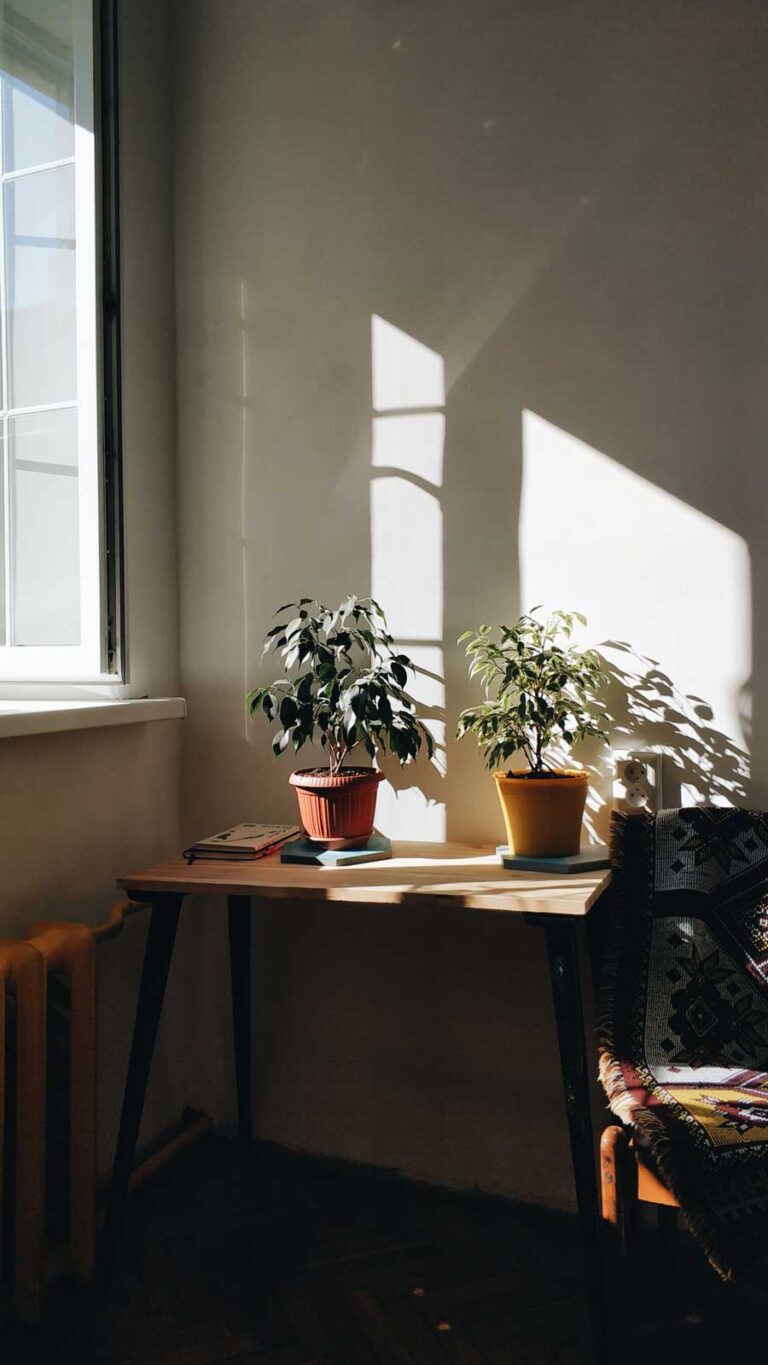
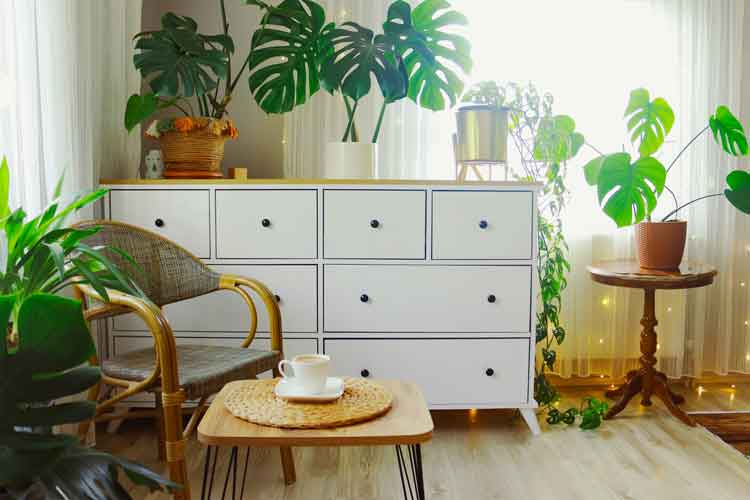
Finishing a room is all about the final layers of decor. Treat your laundry area with the exact same decorative care you apply to a guest powder room or a home office. Hang a piece of framed artwork that makes you smile, place a small potted plant on the windowsill to bring in some natural life, and display a few nice wooden hangers on your drying rod. Even the simplest updates, like replacing plastic hampers with woven cotton baskets, can completely change the tone of the area.
Functional items can absolutely double as decor. A beautifully woven basket for clean towels or a ceramic dish for holding loose change found in pockets adds instant charm to bare counters. By combining smart spatial planning with thoughtful design details, you create a room that works hard but feels incredibly inviting. A well-designed laundry room proves that everyday chores do not have to happen in dreary spaces. Taking the time to organize, paint, and style the room pays off every single time you load the washer.
FAQ About Designing Your Dream Laundry Room
How much clearance do I need in front of my washer and dryer?
You should aim for at least four feet of clearance in front of your appliances. This gives you enough room to fully open the appliance doors and stand comfortably with a laundry basket without feeling cramped.
What is the best type of flooring for a laundry room?
Porcelain or ceramic tiles are excellent choices because they are highly water-resistant and incredibly easy to clean. If you prefer a softer, warmer feel underfoot, luxury vinyl plank offers great durability and mimics the look of real hardwood.
Can I put wallpaper in a laundry room?
Yes, wallpaper works beautifully in utility spaces and adds great personality to an otherwise boring room. Look for a vinyl or washable wallpaper that can handle occasional humidity, especially if your room lacks a strong exhaust fan.
How can I create folding space in a small room?
Installing a continuous countertop right over front-loading machines is the best way to maximize surface area. If you have top-loading machines or a tight closet setup, consider a wall-mounted drop-leaf table that folds completely flat when you are done using it.
What lighting is best for treating stains and reading labels?
Layered lighting is key for functional utility spaces. Start with a bright overhead fixture to light the whole room, and add under-cabinet LED strips to provide focused, shadow-free task lighting directly over your countertops and sink.