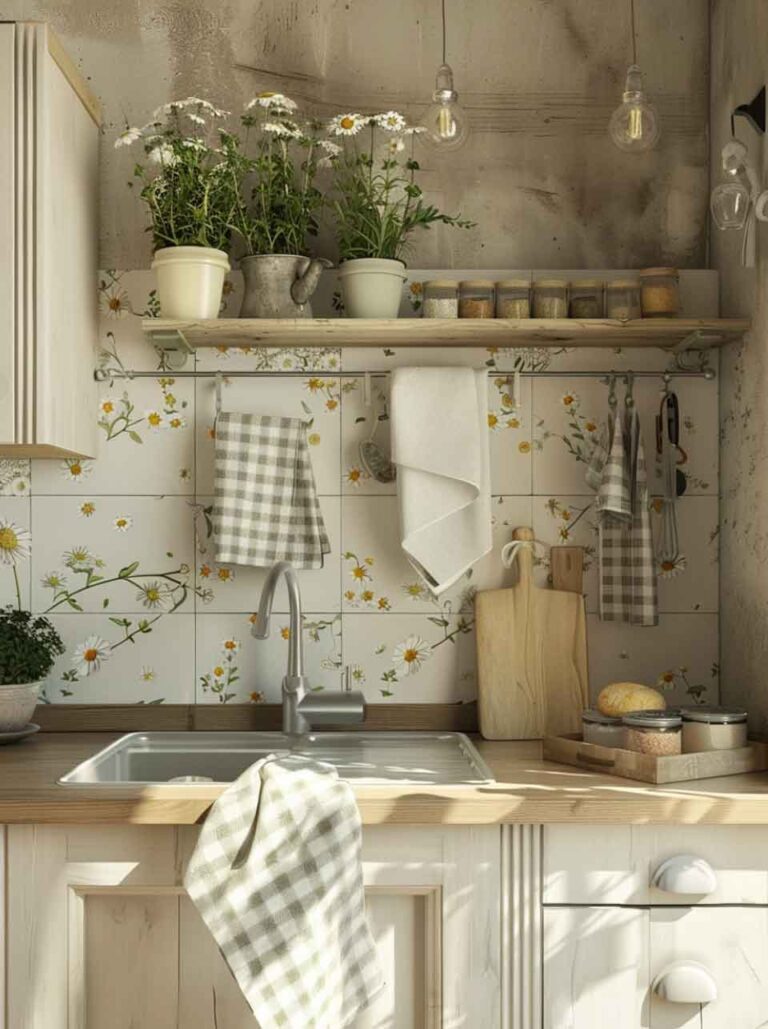
Finding a Home Aesthetic that Feels Like You
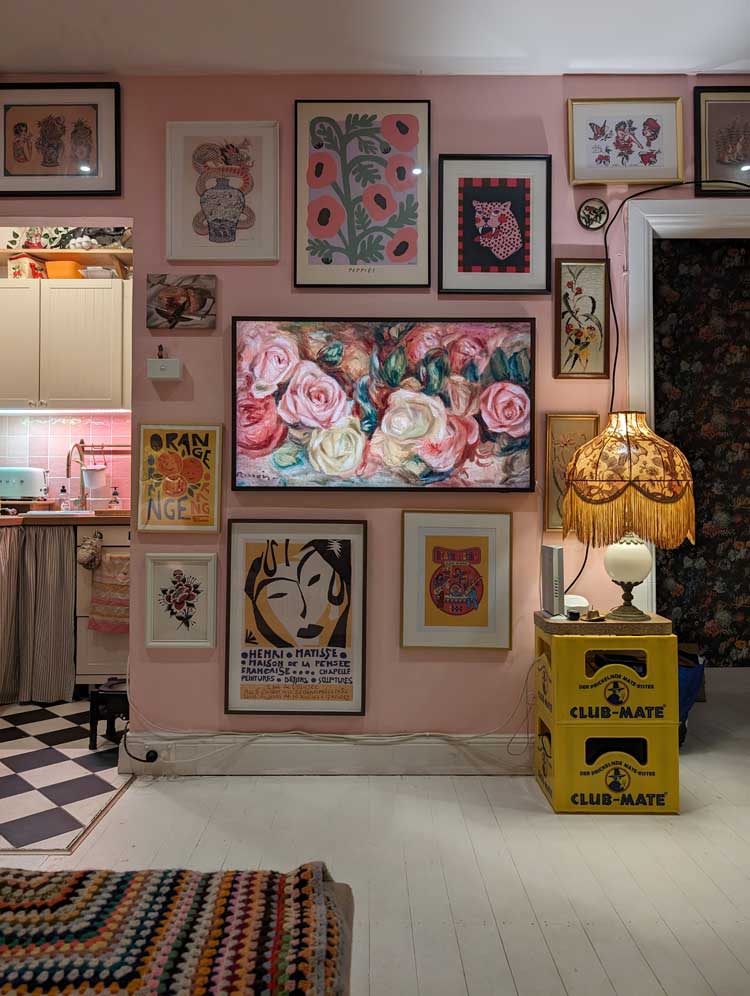
Trends can provide inspiration for interior design, but you’re lucky if you stumble across a room that feels just like you. Instead of chasing the latest look, making your house feel like home involves creating spaces that support your routines and reflect your personality. When your surroundings feel authentic, relaxing at the end of a busy day becomes easier and every room starts to work for you.
Identify the Feeling You’re Trying to Achieve
Even before looking at design schemes, think about how you want each room to make you feel. Some rooms are obvious – for example, bedrooms should always promote rest and relaxation – but others are personal preference. For example, some may want a calming kitchen to help them unwind while cooking at the end of a busy day while others may be seeking a design that’s uplifting, for cheery mornings and mealtimes.
Write down a few words that describe the atmosphere you want to create. When looking at different styles, think about whether they resonate with any of these words. That will help ensure each room influences your emotions in the right way, increasing the likelihood that you’ll be happy with the results.
Explore Different Interior Styles
Every interior style offers something distinctive. Minimalism favours clean lines and simplicity while maximalism is all about loud colours and clashing patterns. Some blend elements of other styles to form a more balanced aesthetic, like Scandinavian design which celebrates natural materials and warm neutrals to avoid the clean lines looking too sterile.
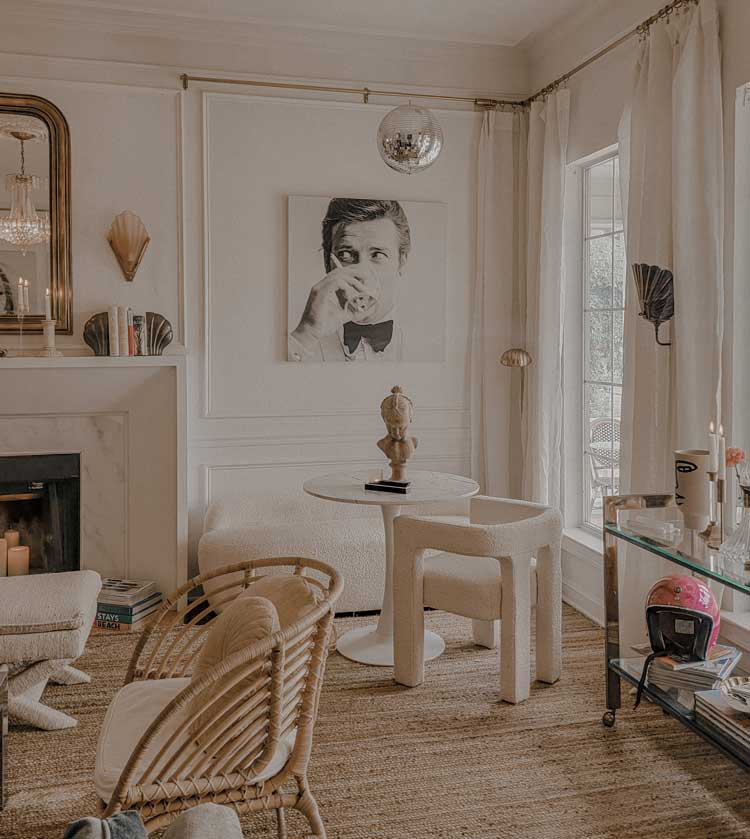
It’s unlikely that only one design style will appeal to you, and you shouldn’t feel limited when exploring the options. Balancing elements you love from different sources is the best way to create a congruous, unique aesthetic that speaks to you. This delivers a much more personal result than copying something you’ve seen in a showroom or magazine.
Consider Practical Lifestyle Requirements
First and foremost, your home should support the way you live, so it’s important to consider function in addition to fashion. For example, if children or pets share your home, durable fabrics and washable finishes reduce everyday stress. If you work from home several days each week, a desk with good lighting and a comfortable chair can improve concentration.
Storage should always be prioritised. It’s easy to get carried away with cool design features, but if you don’t have anywhere to put things, clutter will soon take over and ruin the aesthetic crafted so carefully. There are several ways to integrate storage without it taking over your living space. Fitted furniture is a favourite, maximising use of awkward spaces with clever interiors. Dual-purpose pieces like divan beds are also popular, giving you two-in-one functionality.
Pay Attention to Design Details
Starting with the big statement pieces is important when planning room designs, but it’s the small details that bring a room together. Consistent finishes on handles and taps are key to creating a sense of harmony, and decorative items like artwork and ornaments should reaffirm the style you’re trying to achieve. You don’t need everything to be uniform, but it is important that pieces correlate.
Remember to consider design when planning practical features like plumbing, too. Using minimalist options like a concealed shower valve and wall-mounted basin taps complements the clean lines of your fixtures for a cohesive finish. A layered lighting scheme is vital to generating the right look and atmosphere in your spaces.
Allow Your Home to Evolve
Your tastes naturally change as you and your lifestyle develops, so remember to allow flexibility with your aesthetic. Avoid the idea that your home needs to reach a final version.
Review your spaces every few months and notice what you use most often, anything that looks outdated and what no longer serves you. Small changes, especially in the first couple of years following a big redesign, are needed to make it feel like a practical, attractive property personal to you.
– This post is part of a paid collaboration