Autumn Layering, Explained Properly
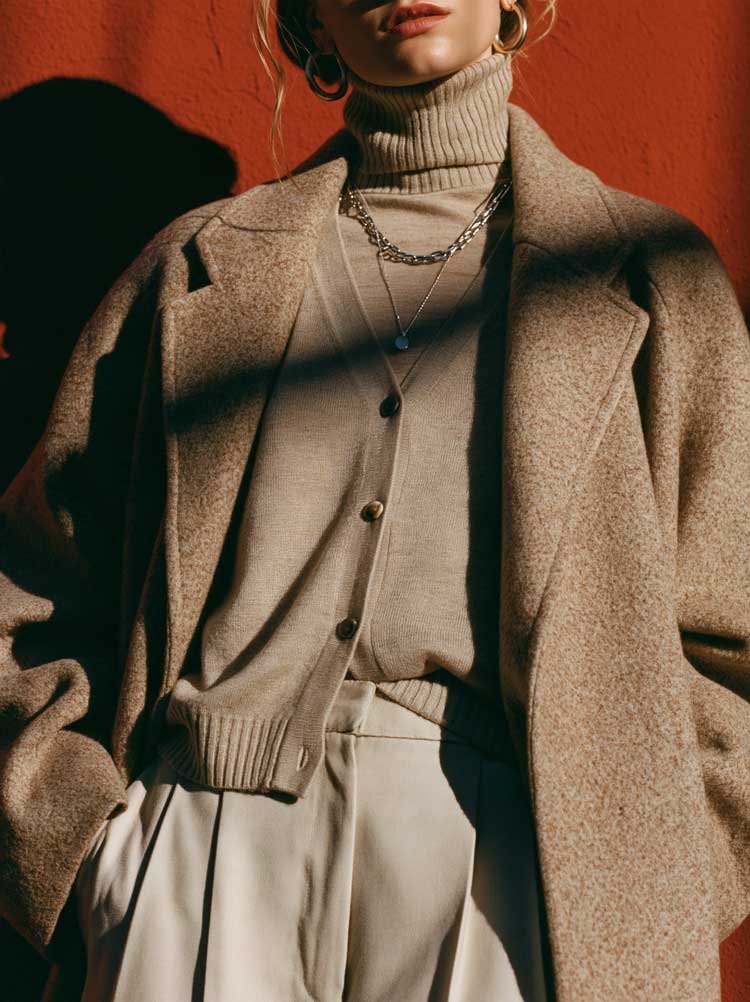
Layering gets talked about as if it’s a trick. Wear more things, take some off when it’s warm. But most people who try it end up either sweating on the bus or shivering at the bus stop, with a bag full of the layer they didn’t need. That’s because layering is a system, with a logic to what goes where and why, and once the logic is clear it works from September to the first frost with almost no thought. Here’s the logic.
Three Layers, Three Jobs
The base layer sits against the skin and manages moisture. Its job is to move sweat away so that the body doesn’t get cold from damp. The mid layer traps air and provides warmth. The outer layer keeps wind and rain out. Each layer has one job, and the mistake most people make is asking one layer to do two: a thick jumper with no base beneath it, or a coat that’s meant to be warm and waterproof and is neither.
In autumn, the outer layer is often the one that comes off. The base and mid do most of the work.
The Base Layer
A fine, close-fitting top in a fabric that wicks. Merino is the gold standard: warm for its weight, breathable, odour-resistant and comfortable against the skin. Fine cotton is fine in mild weather but holds sweat when it’s cold. Modal and lyocell wick well and are cheaper than merino. Synthetics wick best of all and are what athletes wear, but they can feel clammy and smell after a day.

The base layer should be thin. A thick base defeats the point, because it can’t be removed without removing everything above it. It’s also the layer that’s worn indoors once the others are off, so it should look like a top rather than underwear.
The Mid Layer
This is where the warmth is and where the choice is widest. A cardigan, a crew-neck knit, a fleece, an overshirt, a quilted gilet, a soft jacket. The mid layer should be easy to take off, which points to things that open at the front or come off over the head without disturbing what’s underneath. It should trap air, which means loft: a chunky knit or a fleece over a fine one.

Some of the best mid layers are things that were bought for the house. Soft knits, brushed cotton overshirts and the heavier cardigans from a loungewear range work outdoors as well as in, and it’s worth the effort to find comfortable layers for relaxing at home that were chosen with this in mind, since the piece that’s warm on the sofa is warm on the walk to the station, and a mid layer that’s comfortable enough to keep on all day gets worn far more than one that’s only for outside.
The Outer Layer
In autumn the outer layer is a shell against wind and rain, not the source of warmth. A lightweight waterproof, a trench, a wax jacket, a wool coat once it turns. The warmth comes from the layers beneath, which means the outer layer can be thinner and lighter than a winter coat and can go in a bag when the sun comes out. An outer layer that’s too warm is the thing that produces sweating on the bus.
Fit: Slim To Loose
Each layer should be slightly looser than the one beneath. A slim base, a regular mid, a roomy outer. Layers that are all the same size bunch and pull and can’t be removed cleanly. It’s the reason a coat bought to be worn over a jumper should be tried on over a jumper.
The Bottom Half
Legs get less attention and need less. Trousers in a heavier fabric as it turns, with a fine base layer beneath on cold days, are enough for most people. Socks are the layer that matters: merino or a wool blend, in a weight that suits the shoes. Cold feet undo everything above.
The Accessories That Do Real Work
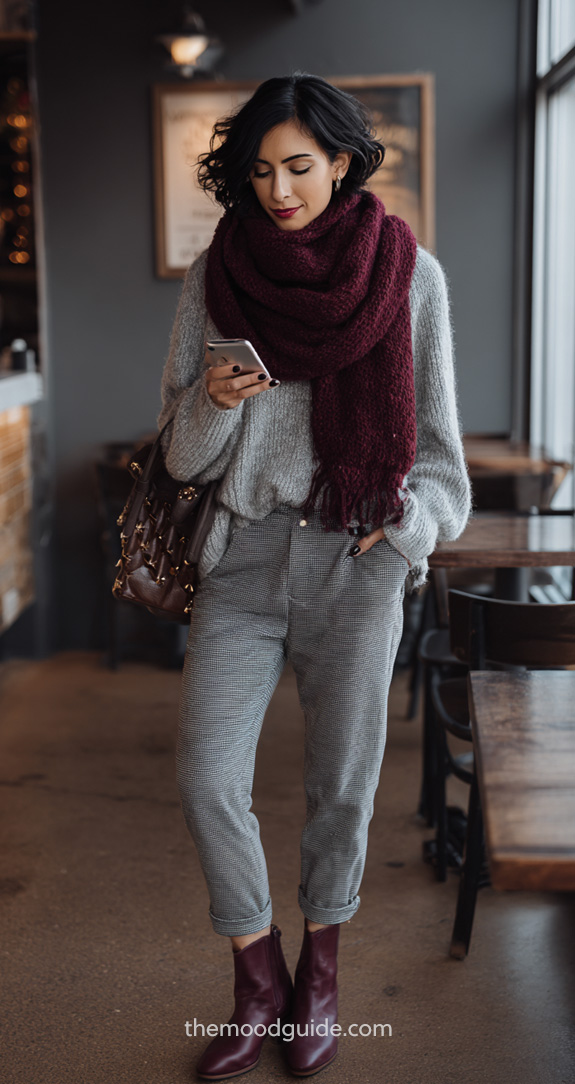
A scarf is the most adjustable layer there is, on when it’s cold, off and in the bag when it’s not, and it seals the neck, which is where most heat escapes. A hat does the same for the head. Gloves for the first cold mornings. These three add more warmth for their weight than any garment.
Indoors matters as much as out. Offices, trains and shops are heated to a temperature that assumes a shirt, and a person dressed for the bus stop will overheat within minutes of arriving. The layers that come off easily and can be carried, a cardigan over the arm, a scarf in the bag, are the ones that make the transitions bearable. A coat that can’t be taken off without a struggle is a coat that gets worn indoors, and that’s the origin of most of the discomfort people blame on the weather.
A Week In Autumn
Monday, mild: base and mid, outer in the bag. Tuesday, wet: base, mid, waterproof outer. Wednesday, cold and bright: base, heavier mid, scarf, no outer. Thursday, warm afternoon: base only by lunchtime. Friday, first frost: everything, plus hat. The system is the same each day; only what’s added or removed changes.
The Bottom Line
Autumn layering is a base that wicks, a mid that warms and an outer that shields, each slightly looser than the last, with a scarf doing the fine adjustment. Buy the base thin and the mid comfortable enough to live in, keep the outer light, and the same three pieces cover every day from the end of summer to the start of winter.
– This post is part of a paid collaboration