Mountain Trips as Emotional Reset Spaces

There is something about the mountains that feels instantly grounding.
It is not just the landscape, or the quiet, or even the shift in pace. It is the way everything softens slightly. Your thoughts feel less urgent. Your routine fades into the background. And without really noticing it, you begin to feel more like yourself again.
For many, mountain trips are no longer just about skiing or outdoor adventure. They are becoming something more personal. A chance to reset emotionally, to step away from noise, and to reconnect with a slower, more intentional way of living.
The appeal of slowing down
Modern life rarely offers stillness. Even moments that are meant to be restful often come with distractions, notifications, or a mental to do list that never quite switches off. In contrast, time spent in the mountains naturally invites a different rhythm.
Mornings feel quieter. Conversations last longer. Simple routines, like walking through fresh air or sitting with a warm drink after a day outside, begin to carry more meaning. It is not about doing less, but about experiencing more of what you are doing.
This shift is what makes mountain environments so powerful. They create space for reflection without demanding it, allowing you to unwind in a way that feels gentle rather than forced.
A sensory escape that goes beyond scenery
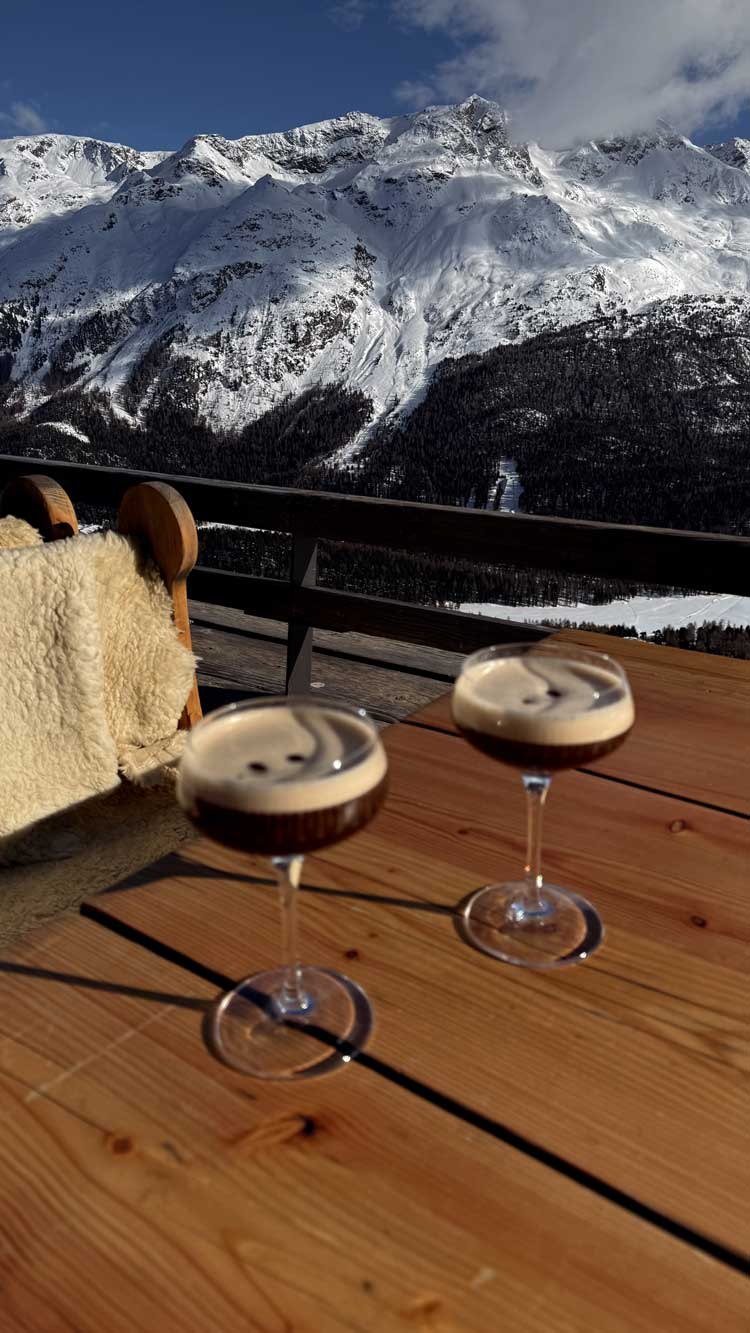
The emotional impact of a mountain trip is often tied to how it engages the senses. The crispness of the air, the softness of snowfall, the warmth of interiors lit by low lighting and natural textures, all contribute to a feeling of calm.
It becomes less about the activity itself and more about the atmosphere surrounding it. Whether it is the quiet hum of an early morning, the sound of music drifting through an alpine bar, or the stillness of an evening as the day winds down, these small moments create a deeper sense of presence.
This is where mountain trips begin to feel like an emotional reset. They gently draw your attention away from everything else and bring it back to what is happening right in front of you.
The rise of experience-led travel
There has been a noticeable shift in how people approach travel. Instead of focusing purely on activities, there is a growing desire for experiences that feel meaningful and immersive.
In mountain destinations, this has led to a blend of lifestyle elements that go beyond skiing. Art installations, curated music events, wellness spaces, and thoughtfully designed interiors are becoming part of the experience. These additions transform what was once a purely active trip into something more layered and emotionally engaging.
It is no longer just about reaching the top of a slope. It is about how the entire trip makes you feel, from the moment you arrive to the way you carry it with you afterwards.
Creating space to reconnect
One of the most understated aspects of mountain trips is how they create the conditions for reconnection. This can be with other people, with your surroundings, or simply with yourself.
Away from the usual pressures and expectations, conversations tend to feel more present. Time feels less structured. There is room to think, to process, or to simply exist without needing to fill every moment.
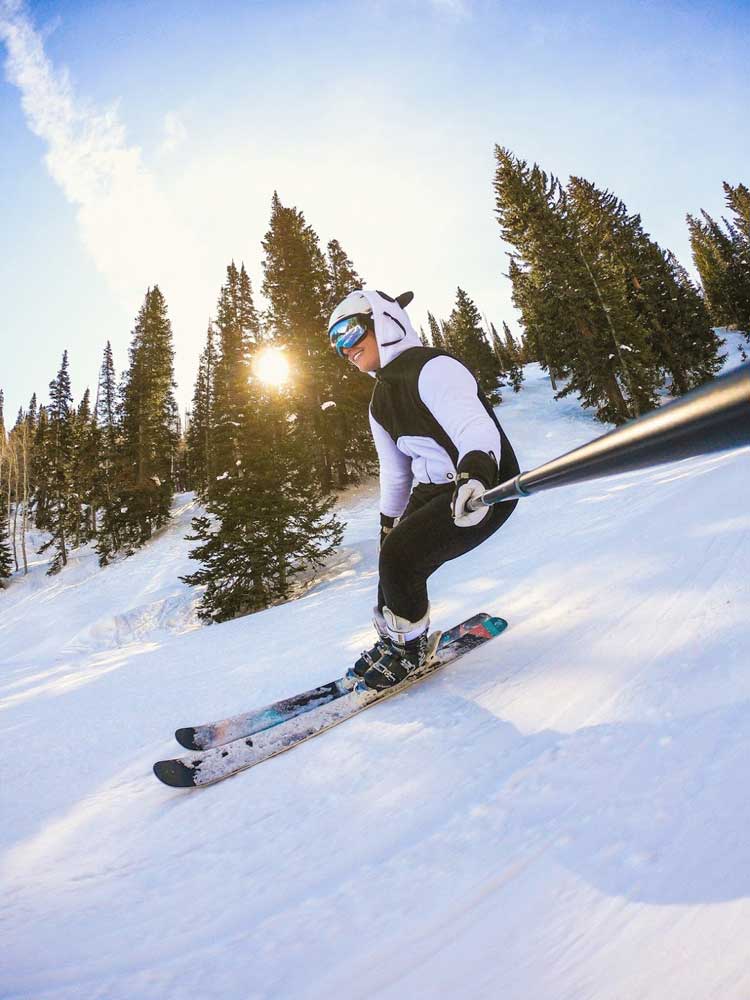
For those leaning into this more social, shared way of travelling, experiences like group ski holidays are becoming increasingly appealing, offering not just time in the mountains but a chance to reconnect through collective moments and shared atmosphere.
This kind of reset is rarely immediate or dramatic. Instead, it unfolds gradually. You begin to notice small changes, like feeling more rested, more aware, or more at ease with your surroundings.
Why the mountains continue to resonate
The growing appeal of mountain travel reflects a broader desire to feel balanced in a world that often feels overwhelming. It is not about escaping reality completely, but about stepping into a space where things feel quieter, clearer, and more manageable.
In this sense, the mountains offer something that goes beyond the physical setting. They provide a shift in perspective. A reminder that slowing down can be valuable, that presence can feel restorative, and that sometimes the most meaningful experiences are the simplest ones.
As travel continues to evolve, it is likely that this emotional connection will remain at the centre of why people return to the mountains. Not just for what they can do there, but for how it allows them to feel while they are there.
– This post is part of a paid collaboration