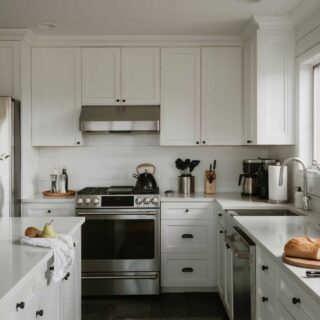

A room can look fine, yet still feel slightly off when you sit down at night. The lamp glare hits your eyes, the throw feels scratchy, and the wall art feels too loud. You notice it most when you are tired and want the space to settle you.
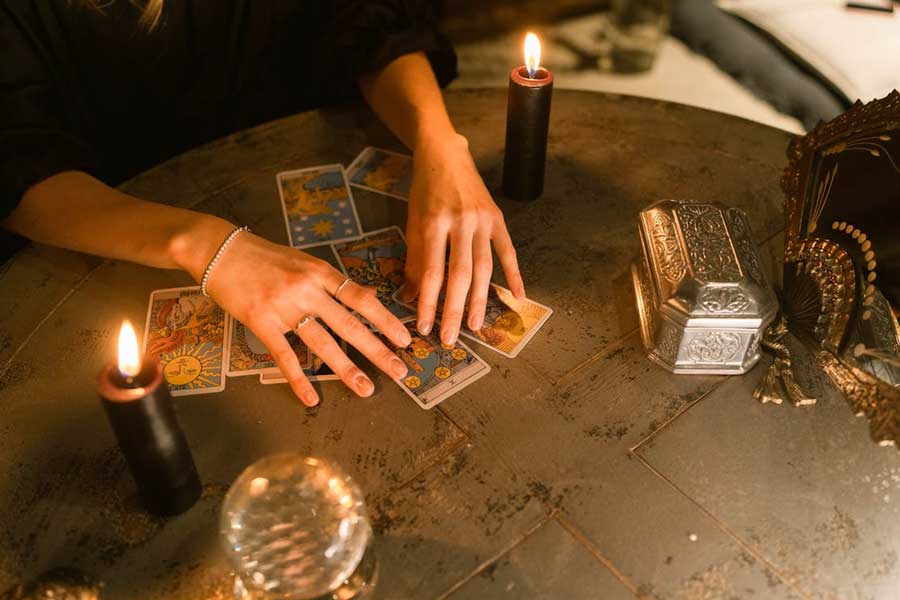
Decor choices often stall because you are juggling taste, budget, and second guessing at the same time. A simple Yes/No tarot pull can act like a quick filter, so you stop looping. You are not outsourcing your taste, you are narrowing your next move.
Pick A Decor Question That Leads To Action
A yes no question works best when it is small and testable in real life. Skip questions that try to solve your whole style in one answer. Aim for a choice you can try in a weekend, then judge with your own eyes.
Use questions that name an object, a room, and a time window. That keeps your brain from sliding into vague mood talk. It also helps you avoid buying a cart full of items that do not fit together.
Here are a few question frames that tend to stay grounded and useful:
- Should I swap my bedroom bulbs to warmer light this month?
- Should I remove the busy rug and try a flat weave for two weeks?
- Should I add one large plant to the living room corner by the window?
- Should I paint one wall in a softer tone before buying new art?
Write the question down before you pull a card, even if it feels formal. The act of writing slows impulse and sharpens what you are really asking. It also lets you compare the answer to your results later.
Use One Card, Then Read It Like A Design Brief
A single card reading stays clean because there is less room for story spirals. You pull one card, then focus on the card’s core theme, not every detail. Think in terms of signals like calm, friction, clarity, or excess.
After you draw, name three words that match the card’s energy in plain language. Then write one design move that matches those words, using items you already own first. This keeps the reading from turning into shopping pressure.
You can also set a simple rule for how you treat yes and no outcomes. If the reading feels like a yes, you move ahead with a small version of the change. If it feels like a no, you keep the base, and change one supporting detail instead.
Many people notice that color and light shift emotion faster than furniture does. Research reviews have found reliable links between color qualities and emotional responses, even if people vary by context and culture.
Map Card Themes To Color, Texture, And Clutter
Once you have your three words, translate them into materials and placement. This is where tarot can help without getting mystical or fuzzy. The card becomes a prompt for what to add, what to remove, and what to quiet down.
If the card suggests restraint, start with clutter and surfaces before you buy anything. Clear one table, reduce small decor, and group objects in sets that look intentional. If the card suggests warmth, shift textiles first, since fabric changes a room fast.
Try this translation cheat sheet when you feel stuck:
- Clarity: lighter neutrals, clear glass, fewer patterns, more open floor space.
- Grounded: wood tones, matte finishes, heavier curtains, low lighting pools.
- Energy: bolder accent color, sharper contrast, one statement object, clean lines.
- Rest: soft textures, rounded shapes, muted prints, a calmer wall arrangement.
Keep the changes consistent with the room’s job. A work corner can carry more contrast than a bedroom, where your eyes need rest. When in doubt, use one strong change and leave the rest plain.
Build A Mood Board In Ten Minutes With What You Own
A mood board does not need fancy tools or new purchases. Use a phone album and five minutes of quick photos from your own home. Include textiles, ceramics, book covers, framed prints, and any paint chips you already have.
Pull six to nine images into one grid or scrolling set. Look for repeats in color, finish, and shape because they reveal your real preferences. A yes no card pull can point you toward keeping the repeats, or breaking one pattern that feels stale.
Once you spot the repeats, write one sentence that describes the room’s current mood. Then write one sentence that describes the mood you want next. Keep both sentences plain and concrete, using words like warm, bright, quiet, crisp, soft, or spare.
End with one purchase freeze rule for a week. If you feel the urge to buy, add a photo of the item to the album instead. This keeps the board honest and stops clutter from sneaking back in.
Set A Simple Budget Rule So The Reading Does Not Turn Into Shopping
A reading is most useful when it supports restraint as often as change. Set a budget cap before you draw a card, and keep it small enough to stay calm. Think in terms of one swap, not a full room reset.
Use a two bucket plan, one for fixes and one for mood shifts. Fixes cover what is already annoying, like glare, broken storage, or a rug corner that keeps curling. Mood shifts cover optional items like a cushion cover, a candle holder, or one framed print.
Try a short list of rules that keeps you from overbuying:
- One in, one out for decor on surfaces.
- No duplicates of the same function, like three trays or four vases.
- Keep returns easy, and avoid final sale items when testing.
- Wait forty eight hours before you buy anything not on your list.
If the card signals no, treat it as permission to pause rather than a dead end. You can still refresh the room by cleaning, repairing, or re arranging what you have. That often delivers the mood shift you wanted, without adding more stuff.
Make The Change Reversible, Then Judge With A Simple Test
Decor is easier when you treat it like a trial, not a permanent identity statement. Choose moves you can undo without drama, like bulbs, pillow covers, curtain panels, or art placement. A reversible step protects your budget and keeps you honest.
Light is one of the most reliable levers because it affects color, skin tone, and comfort. The U.S. Department of Energy explains how color temperature works on the Kelvin scale, and why warm versus cool light reads so differently in a room.
After the change, run a short check for three evenings in a row. Sit in the room for ten minutes without your phone, and note body cues like tight shoulders or a relaxed jaw. Then take one photo from the same spot each night, so your brain cannot rewrite the story.
If the room feels better, keep the change and stop there for a week. If it feels worse, reverse it and adjust one smaller detail, like lamp shade height or rug placement. The practical takeaway is simple: use the card to pick one move, test it, and let your lived comfort decide.
-This article is part of a paid collaboration. As always, I only collaborate with tools that fit the reflective, aesthetic-first approach of The Mood Guide.