Which Pendant Light Styles Work With Different Interior Moods?
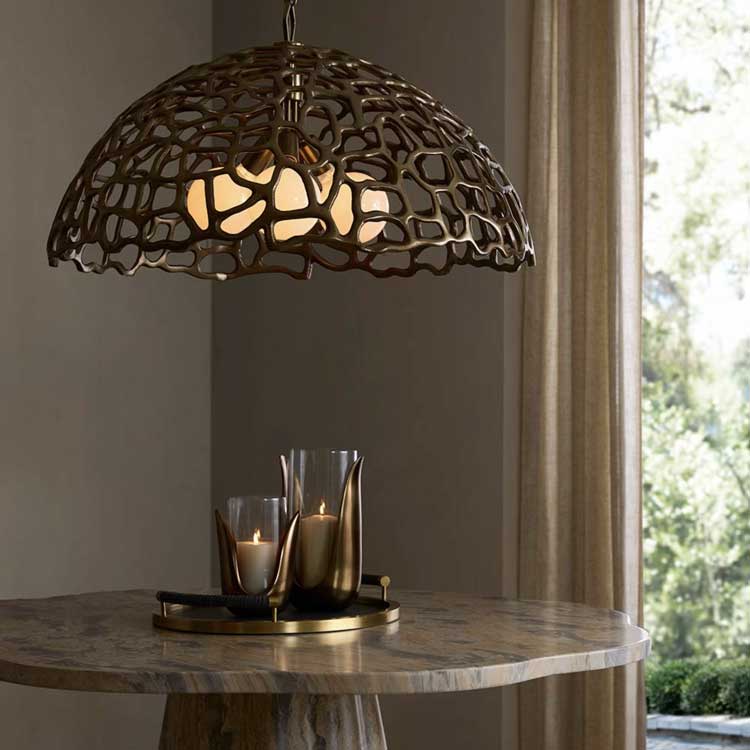
Lighting does more than brighten a room. It can shape the mood, draw attention to a focal point, and help the rest of the decor feel more intentional. Pendant lights are especially useful because they sit at eye level and often become part of the room’s visual identity. When exploring luxury pendant lights, it helps to think about the mood you want to create first, then choose a shape, finish, and material that supports it.
Minimalist Spaces Need Restraint
Minimalist interiors often rely on clean lines, quiet colors, and a sense of visual calm. In these rooms, a pendant should feel deliberate rather than decorative for its own sake. Simple forms, slim profiles, and smooth finishes tend to work well because they support the room without demanding too much attention.
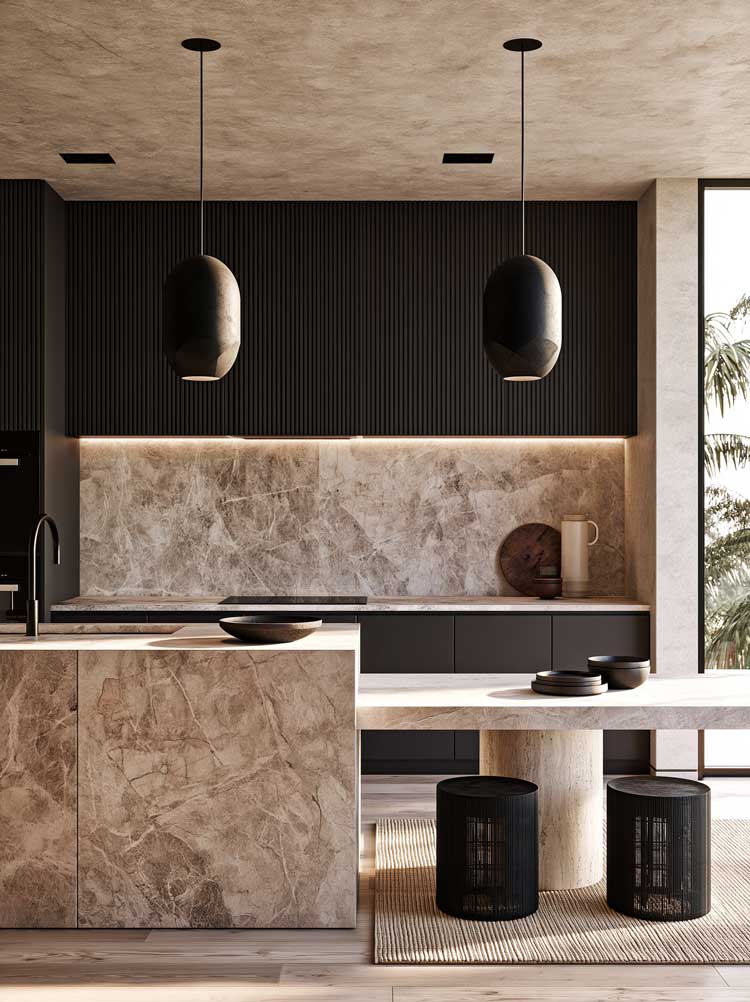
A pendant with a geometric silhouette can add structure above a kitchen island or dining table. Matte finishes, pale metals, or clear glass can also fit naturally into a minimalist setting. Scale matters here. A fixture that is too large may interrupt the calm, while one that is too small can disappear in the space.
The goal is to choose a light that feels present but controlled. In a minimalist room, the pendant often works best when it echoes the clean shapes already found in the furniture and architecture.
Modern Interiors Can Handle Stronger Shapes
Modern rooms usually have more freedom to play with sculptural forms. A bold pendant can become a focal point, especially in spaces with simple furniture and a limited color palette. Curved forms, oversized shades, and mixed materials can all work well when the rest of the room gives the fixture enough space to stand out.
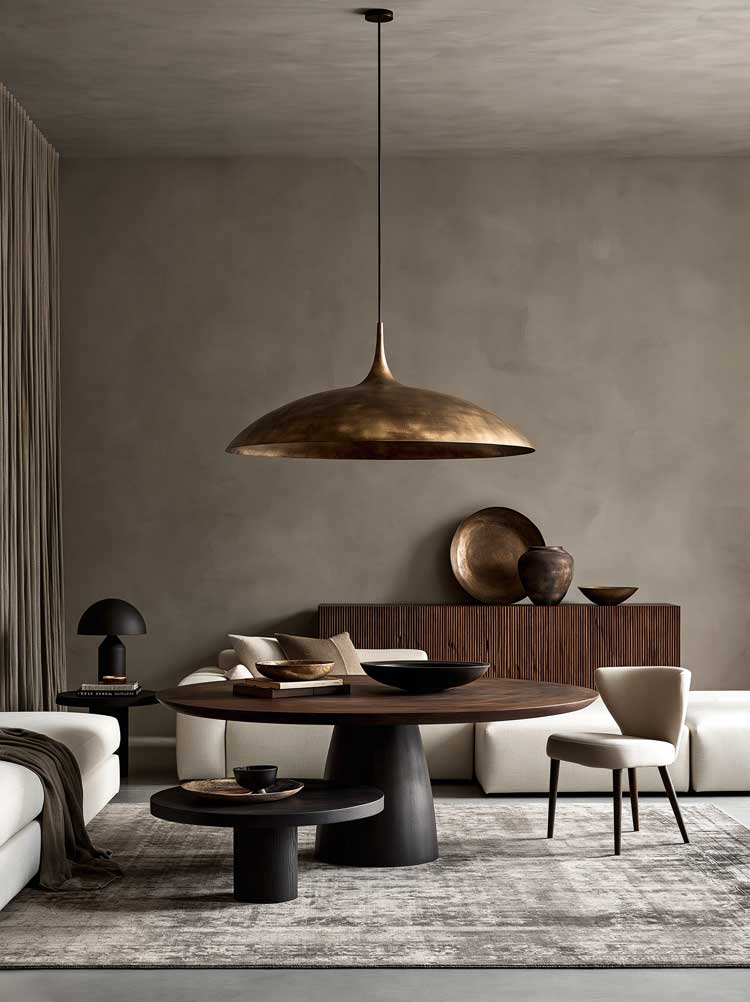
Metal finishes are especially useful in modern interiors. Brass can bring warmth, while blackened metal adds depth and contrast. Glass can make a statement without adding too much visual weight.
The key is balance. If the pendant is highly sculptural, the surrounding furniture can stay simpler. If the room already has several strong design elements, a quieter fixture may feel more cohesive.
Romantic Rooms Benefit From Softness
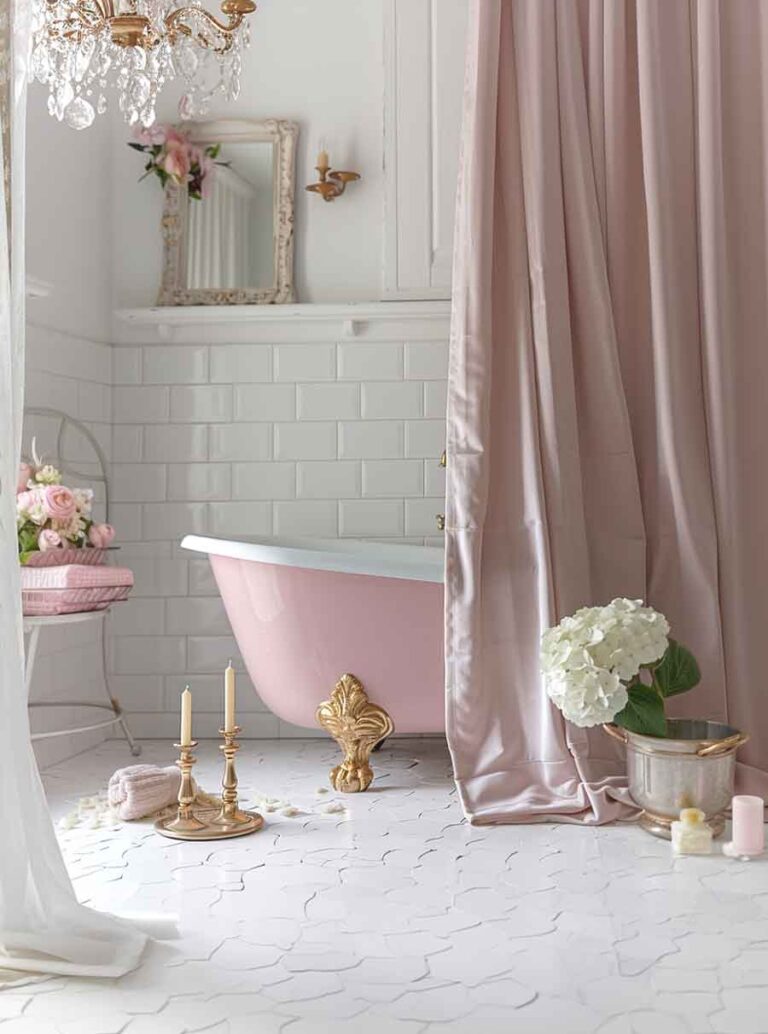
Romantic interiors often feel layered, warm, and slightly dreamy. They may include soft fabrics, curved furniture, warm neutrals, muted pastels, or decorative details. Pendant lighting can support this mood through shape and material.
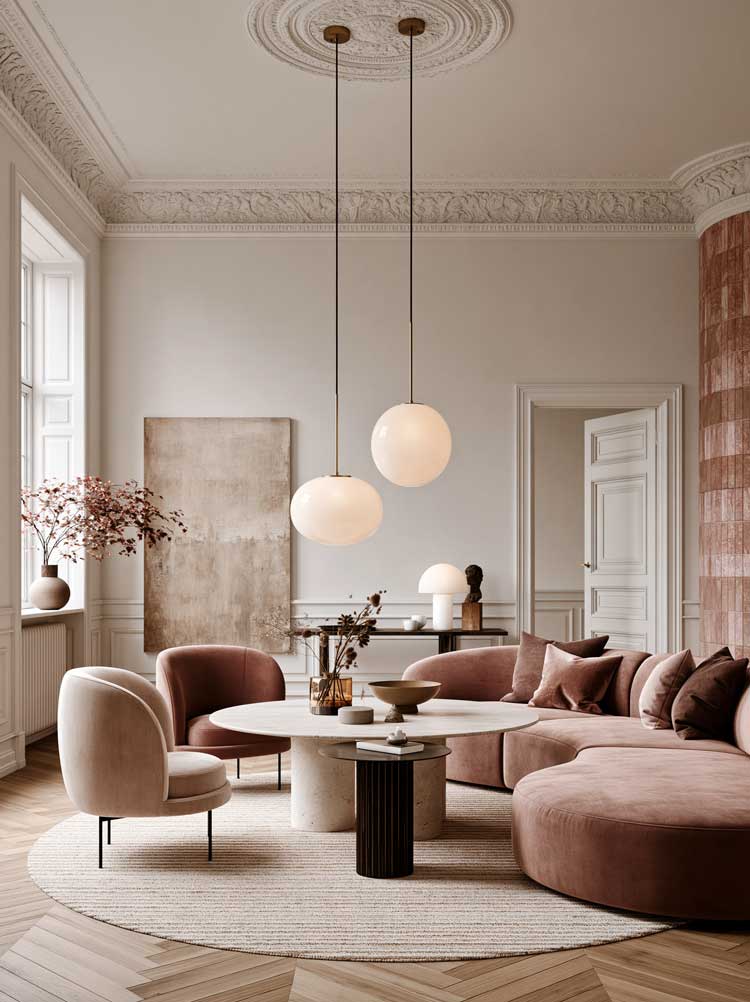
Rounded forms, warm metallic finishes, soft glass, and delicate details can all work well. A pendant with a gentle glow can make a bedroom or dining area feel more intimate, especially when paired with warm wall colors or textured fabrics.
The best romantic lighting feels graceful without becoming overly ornate. Soft shapes and warm light often create enough atmosphere on their own. The fixture can still feel special while blending naturally into the rest of the room.
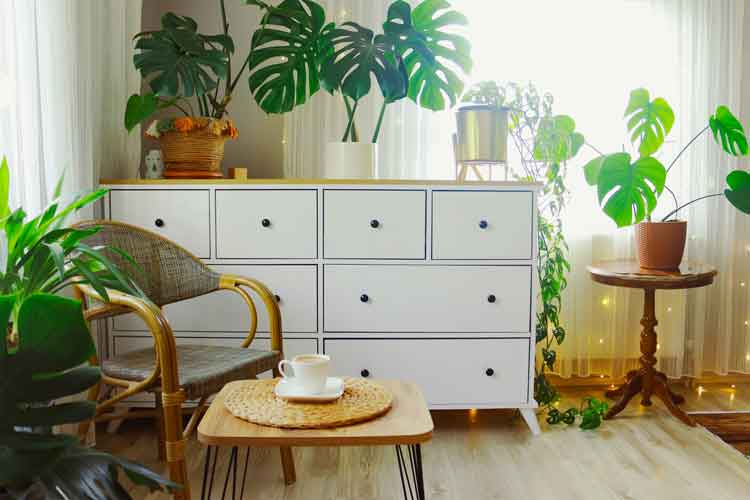
Organic Interiors Work Well With Natural Texture
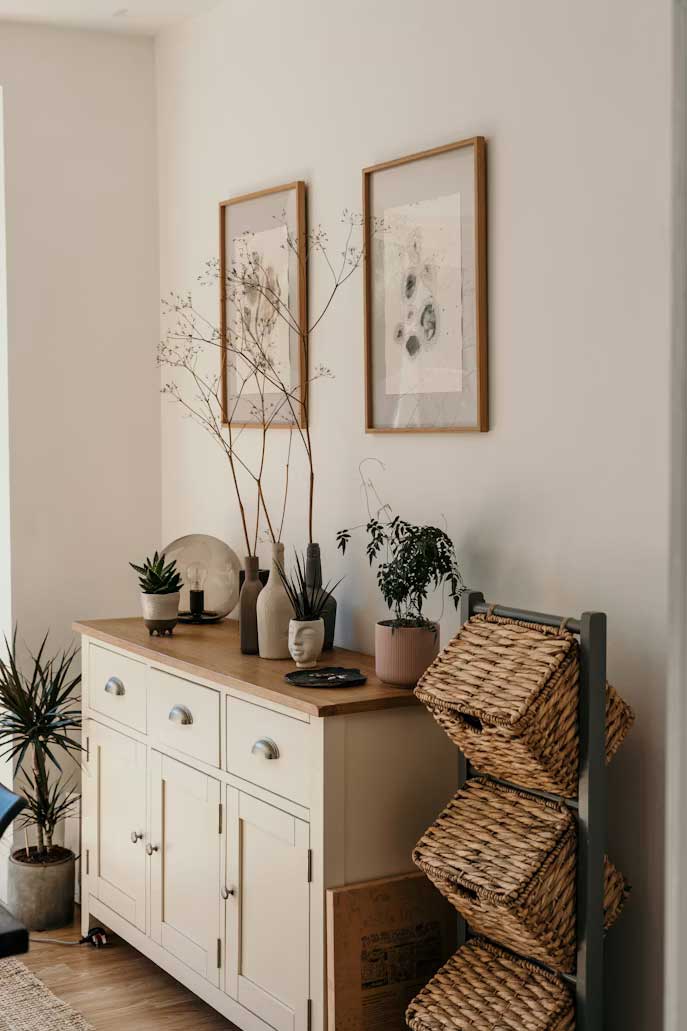
Organic interiors often draw from nature through color, texture, and material. Wood, stone, woven surfaces, and earthy tones create a relaxed feeling, and the lighting should support that sense of ease.
Pendant lights with natural fibers, textured surfaces, or warm neutral finishes can fit beautifully into this style. Shapes inspired by nature, such as rounded or uneven forms, can add interest without feeling too polished.
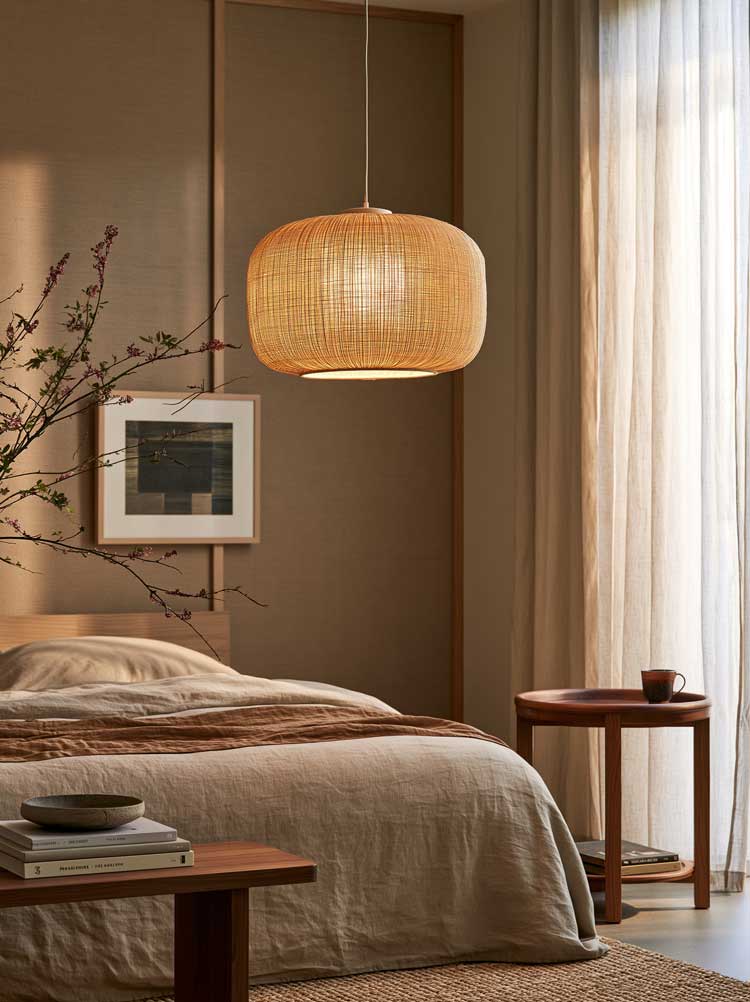
Placement also matters. A pendant over a dining table or reading area can help make the space feel grounded. Warm light tends to work especially well because it brings out the natural tones in wood, stone, and fabric.
The result should feel calm and tactile, with the light becoming part of the room’s material story.
Luxe Spaces Can Embrace Detail
Luxe interiors often use rich finishes, polished surfaces, and a sense of drama. Pendant lighting can play a major role in creating that effect because it naturally draws the eye.
Materials such as brass, bronze, glass, and stone can all contribute to a more refined look. Larger fixtures or grouped pendants can also create impact in entryways, dining rooms, or above a kitchen island.
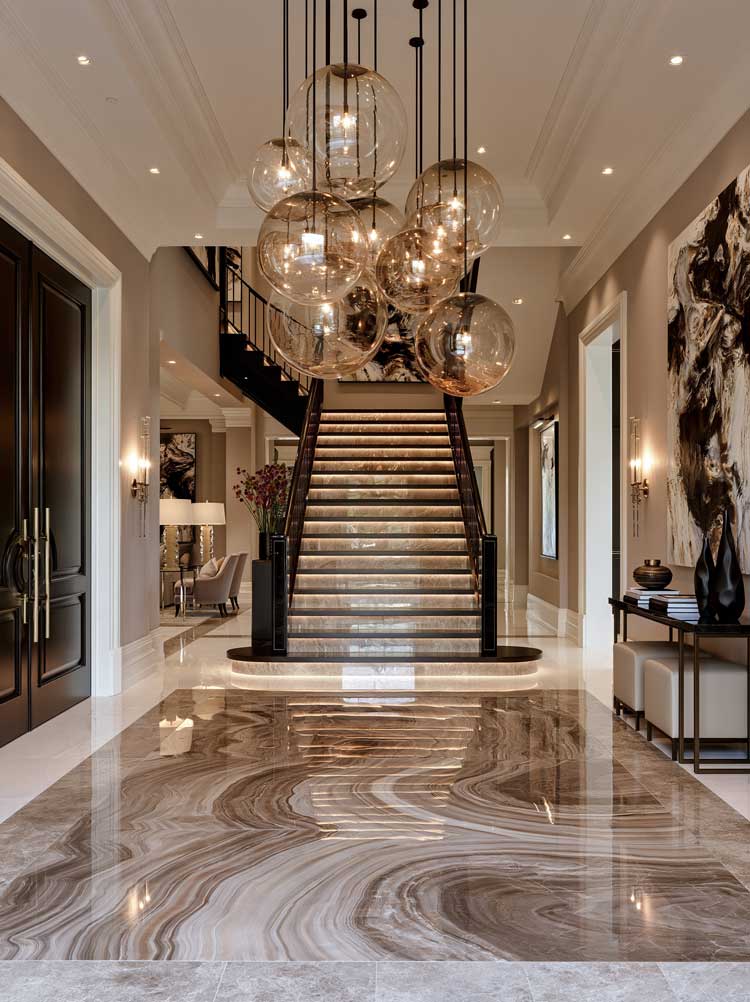
Even in a more luxurious setting, scale and proportion still matter. A dramatic pendant should suit the size of the room and leave enough visual space around it. The strongest result often comes from one clear focal point rather than several competing elements.
A well-chosen pendant can make the room feel more finished without making it feel heavy.
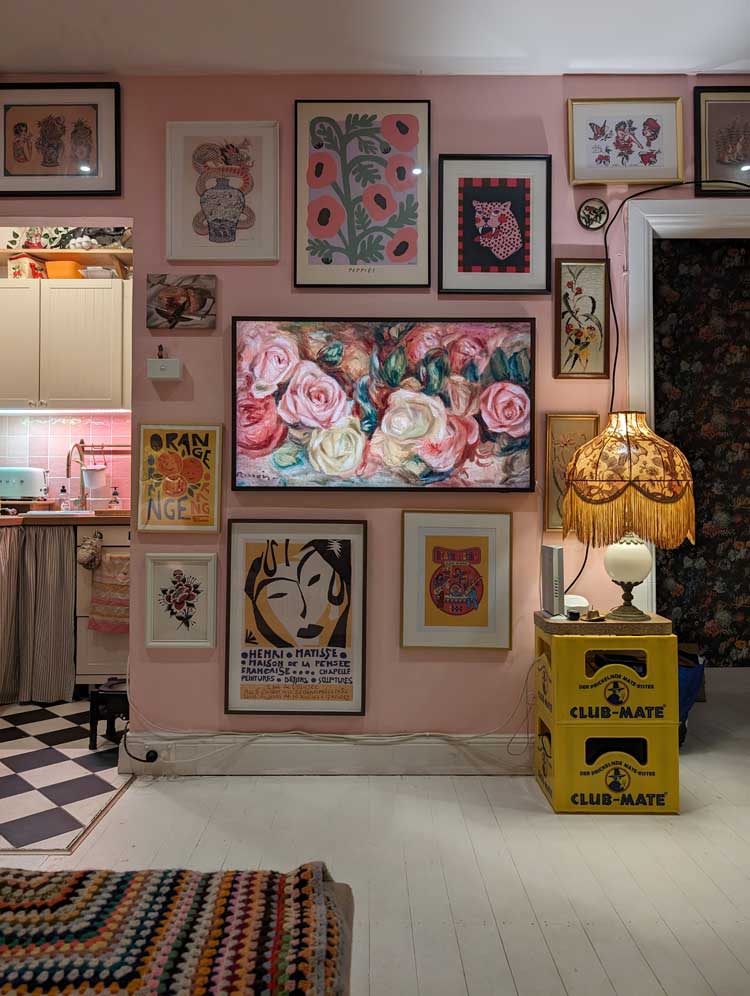
Eclectic Rooms Allow More Personality
Eclectic interiors mix styles, colors, and periods, so pendant lighting can become a chance to show personality. An unusual shape, an unexpected material, or a bold finish can work well when the room already celebrates variety.
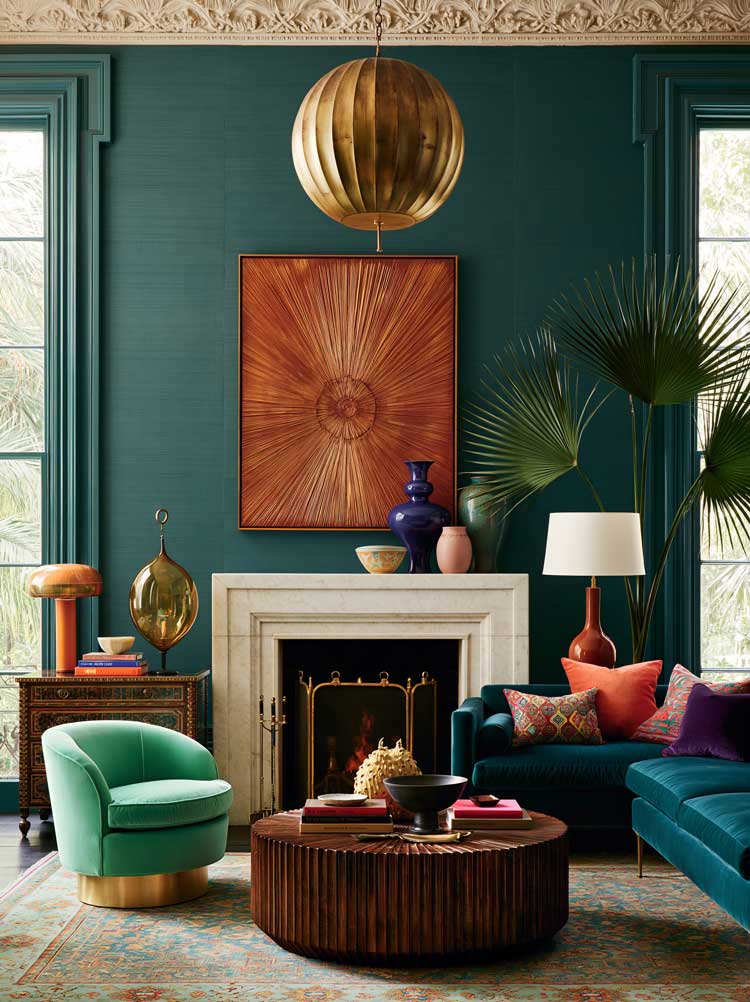
The challenge is creating enough connection between the fixture and the rest of the space. A pendant might repeat a color found in artwork, echo the curve of a chair, or pick up a metal finish used elsewhere in the room.
This type of visual repetition helps the room feel collected rather than random. Eclectic design works best when different elements still share a few common threads.
Match the Light to the Feeling You Want
The best pendant light is not always the most dramatic one. It is the one that supports the mood of the room and feels connected to the rest of the design.
Minimalist spaces often benefit from restraint, while modern interiors can handle stronger forms. Romantic rooms respond well to softness, organic spaces to texture, luxe rooms to rich materials, and eclectic interiors to personality.
Once the mood is clear, choosing the right pendant becomes much easier. Shape, material, finish, and scale all start to feel like part of one decision rather than separate choices. The result is a room where the lighting feels intentional, expressive, and fully connected to the atmosphere you want to create.
– This post is part of a paid collaboration