
Exterior cladding in 2026 is about more than looks. People want materials that hold up in real weather, feel premium up close, and help the exterior perform better as a whole. You’ll see more focus on texture, cleaner detailing, and wall systems that handle moisture and heat more predictably. Another noticeable shift is that homeowners want exteriors that still look good after a few years, not only right after installation.
Ventilated cladding systems
More projects are using cladding setups with a small air gap behind the material. This detail helps walls dry out faster after rain, reduces moisture buildup, and can improve long-term durability. It also helps prevent peeling paint, damp patches, and that “stale” smell some homes get after wet seasons. Builders like it because it supports a healthier wall structure, especially on homes with better insulation and tighter construction. It’s a practical upgrade that often matters more than the finish itself.
Vinyl cladding with upgraded textures
Vinyl cladding is trending again in 2026 because the newer options look less “plastic” than older styles. You’ll see more realistic wood-grain textures, cleaner panel profiles, and deeper colors that hold up better in the sun. Homeowners also like it because it’s budget-friendly and quick to install, which makes it a practical choice for full exterior updates. If you want to break up large vinyl sections and add a more premium finish around the entry or lower facade, stone veneer for outside of house works well as an accent because it adds depth and texture without making the exterior feel heavy. Such an option gives you a nice contrast when the rest of the facade is smooth and uniform. Many people use it on porch bases, front-facing garage walls, or around entry columns to make the exterior feel more finished.
Fiber cement for clean, modern exteriors
Fiber cement remains a popular option because it provides a crisp look without constant upkeep. It works well for simple, modern facades, especially when paired with sharp trim lines and darker window frames. People also like that it holds its shape and doesn’t react as much to temperature swings as some other materials. It’s often chosen for homes in areas with strong sun, wind, or frequent rain because it’s known for being stable. If you want a modern exterior that still feels “solid,” it’s one of the safer cladding choices.
Warmer metal finishes
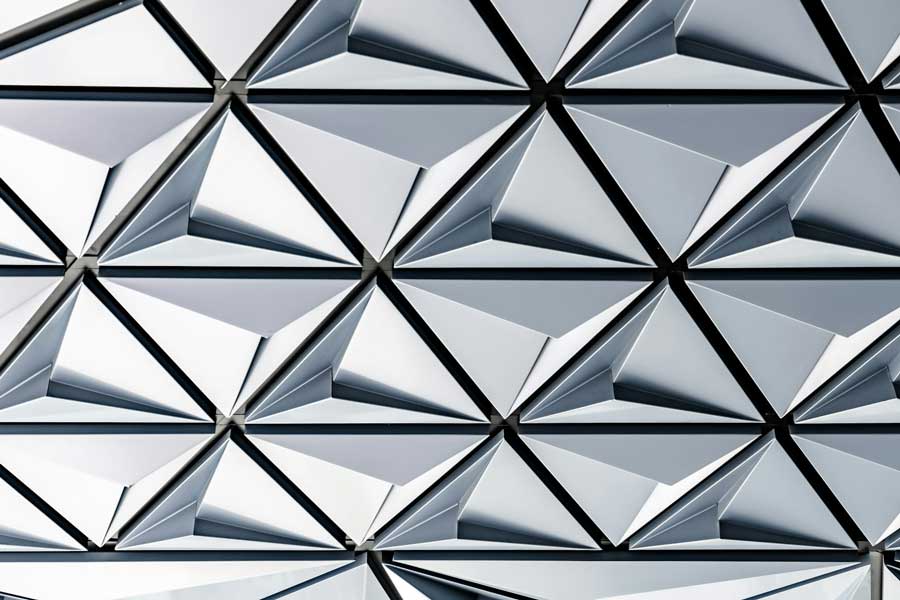
Metal cladding is still trending, but the look is shifting toward warmer tones. Charcoal, bronze-like colors, and matte finishes are common, which makes metal feel less industrial and more residential. You’ll also see more ribbed or lightly textured profiles that create subtle shadow lines. Metal often shows up as an accent around entries, upper levels, or soffits to add contrast without taking over the whole facade. It’s also a good choice when homeowners want a sharp, modern look with very little maintenance.
Mixed materials with a calm layout
Mixing materials is still in, but the best examples keep it controlled. Usually it’s one main cladding, a second material for contrast, and small accents, which keeps the design clean. This approach adds depth without making the exterior feel busy or confusing. It also helps highlight the parts of the home that matter most, like the entryway, a feature wall, or a second-storey section. When done well, mixed materials make a home look more custom, even if the renovation budget is modest.
Terracotta and clay-inspired facades
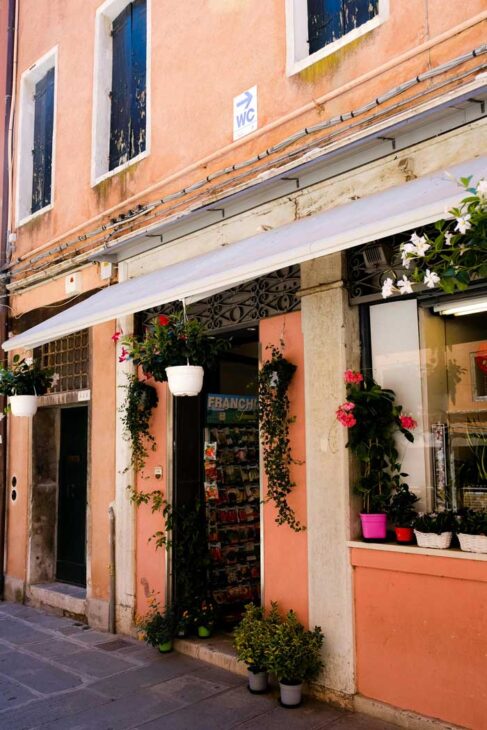
Clay and terracotta looks are coming back, especially in modern shapes. They add warmth and a slightly handcrafted feel, which helps a home stand out without using loud colours. These finishes also age nicely, so the exterior tends to look better over time rather than worse. Terracotta-style cladding works well on feature sections, entry zones, or upper-storey volumes where you want a soft contrast against cleaner materials. It’s also being used to bring a Mediterranean or earthy tone into more modern builds.
Brick with more texture and detail
Brick is being used in more creative ways, often with texture, pattern changes, or subtle shadow lines. Instead of looking flat, the exterior gains depth through the way the surface catches light during the day. Designers are also mixing brick tones or using small layout changes to break up large wall areas. Brick works especially well as a base layer on the lower part of a home because it feels grounded and strong. It’s a material that can look traditional or modern, depending on the color and pattern choice.
Timber looks with better durability choice
Wood cladding is still popular, but homeowners are leaning toward finishes and treatments that last longer and weather more evenly. Darker tones, charred-style looks, and more stable wood options are showing up more often, especially as accents or feature walls. Timber is often used to soften modern homes that feel too sharp or “boxy.” It also pairs well with metal, brick, and stone-style finishes, which makes it easy to blend into mixed-material designs. The key trend is using timber in a way that looks natural but still feels practical.
Fire and weather performance as part of the design choice
People are paying closer attention to how cladding performs, not just how it looks. Fire resistance, moisture control, and long-term maintenance are shaping material choices, especially in areas with stricter building rules or harsher climates. Homeowners are also asking more questions about warranties, expected lifespan, and how a material behaves after years of sun exposure. Even colour choice matters more now, because darker finishes can absorb more heat and affect performance. In short, “pretty” is not enough anymore, and that’s a good thing.
Smarter exterior “skins.”
You’ll also see more attention on the full exterior envelope, not only the cladding layer. That includes combining cladding choices with better insulation planning, improved window performance, and shading details that help manage heat. For example, small overhangs, slatted screens, and deeper window trims can change how comfortable a home feels in summer. These decisions also impact energy use, which is a bigger concern for many homeowners now. The trend is to make the exterior look clean while quietly doing more work behind the scenes.
Conclusion
Exterior cladding trends in 2026 lean toward texture, warmer finishes, and better performance. Ventilated systems, clean panel looks, controlled material mixing, and practical durability choices are leading the way. The best results come from picking materials that match the home’s style and climate, then detailing them properly so they stay sharp for years. If you’re planning an exterior upgrade, it helps to think about the full wall system, not just the top layer.